There’s always been a certain pull to Spain for people in the UK — the warmth, the light, the slower pace — but something about 2026 feels different. The number of people seriously considering the move isn’t just rising; it’s accelerating. It’s no longer a vague dream or a “maybe one day” idea. It’s becoming a practical decision people are making because they want their everyday life to feel better, calmer, and more balanced.

What’s striking is that the reasons aren’t just financial or climatic. They’re emotional. People are looking at their routines in the UK — the long commutes, the grey winters, the rising costs — and realising they want a life that feels more human. Spain offers that in a way that feels achievable rather than idealistic.

Why These Insights Come From Real People Making the Move

The perspective in this article comes from speaking with the people who’ve actually made the move to Spain — families, remote workers, retirees, and couples who’ve traded grey winters for a slower, lighter way of living — as well as the relocation teams who see these patterns unfold every week. Their experiences reveal the same themes again and again: the emotional pull of a calmer lifestyle, the practical relief of a more manageable cost of living, and the sense of stability people feel once they settle in. Nothing here is theoretical or based on trends alone; it’s shaped by real decisions, real motivations, and the lived experiences people share when they explain why Spain simply feels like a better fit.

A Lifestyle That Feels More Balanced

The biggest draw isn’t the sunshine itself, but what the sunshine allows. You spend more time outdoors. You walk more. You socialise without checking the forecast. Even small things — having breakfast outside, taking an evening stroll, sitting on a terrace without feeling rushed — change the rhythm of your days.

People who move often say they feel like they’ve been given their time back. Life becomes less about squeezing everything into the gaps between work and more about actually living. It’s not a holiday feeling; it’s a different pace of life entirely.

Families feel this shift even more strongly. Children adapt quickly, routines become gentler, and the outdoor culture makes everything feel less pressured. If you’re planning a family move, the dedicated guide explores this in more detail (UK to Spain Removals for Families).

A Climate That Shapes Your Wellbeing

Spain’s climate isn’t just “nice weather.” It changes how you live. You’re not trapped indoors for half the year. You don’t plan your week around rain. You don’t lose months to darkness. The climate shapes your habits, and those habits shape your wellbeing.

People often underestimate how much the environment affects their mood until they experience the difference. The longer days, the natural light, the outdoor lifestyle — they all add up in a way that feels subtle at first and transformative later.

A Cost of Living That Feels More Manageable

Spain isn’t “cheap,” but it is more forgiving. Housing is often more affordable, eating out doesn’t feel like a luxury, and day‑to‑day life doesn’t carry the same constant financial pressure. People aren’t moving to Spain to get rich; they’re moving to feel like their income stretches far enough to live well.

This doesn’t mean the move is free of practical decisions. You still need to think about what to take, what to leave, and how to manage the logistics. If you’re weighing up whether to bring your furniture or start fresh, the furniture guide helps you make that decision without overthinking it (Furniture Guide).

A Sense of Stability and Calm

While the UK continues to feel unpredictable in many ways — politically, economically, socially — Spain offers a sense of steadiness. The culture is calmer. The pace is slower. The day‑to‑day experience feels less frantic. Even the small things, like walking to the bakery in the morning or having dinner outside in February, create a sense of groundedness that’s hard to find elsewhere.

People aren’t running away from the UK; they’re choosing a lifestyle that feels more sustainable.

The Practical Side Is Easier Than People Expect

The idea of moving to another country can feel overwhelming, but once you understand the process, it becomes far more manageable. The complete guide walks through the entire journey in a grounded, realistic way (Complete Guide).

There are decisions to make — full load or part load, packing yourself or getting help, whether you need storage — but none of it is unmanageable. A good removal company will guide you through customs, timelines, and the logistics of the journey.

If you’re worried about customs, the dedicated article explains what you can and can’t take, and how the paperwork actually works (Customs & Restrictions).

Packing is another area where people often underestimate the workload. Some prefer to do it themselves, while others choose a part‑packing service for fragile items (Part Packing Services) or a full packing service to remove the pressure entirely (Full Packing Services).

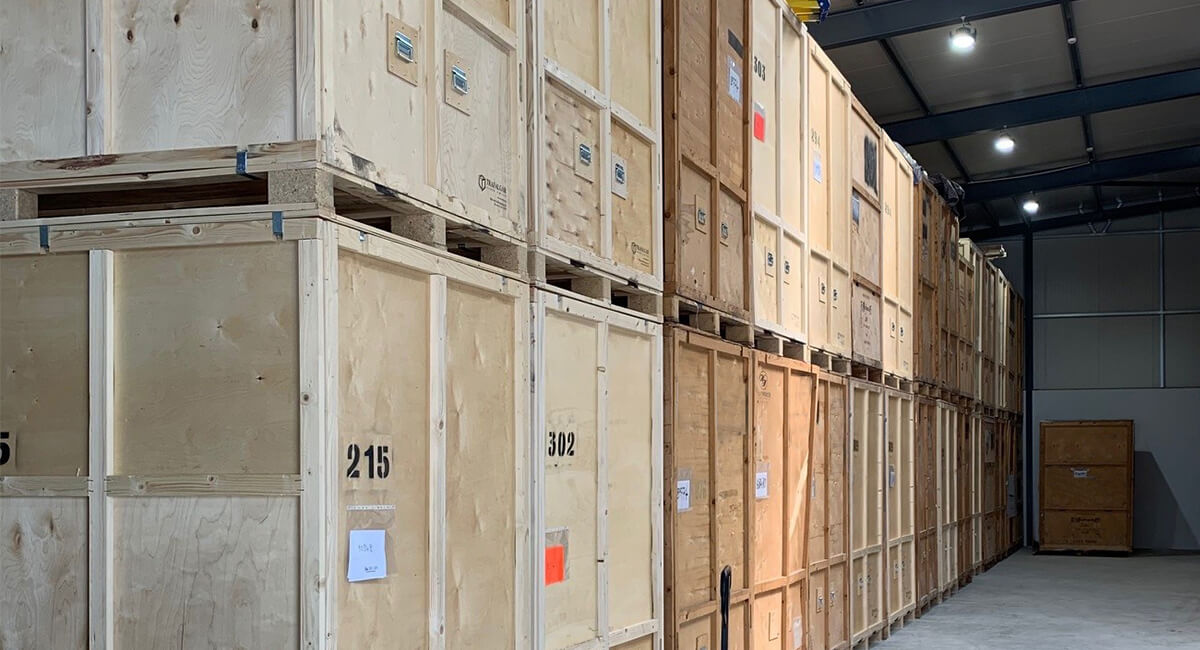
Storage also comes into play more often than people expect. Not every move lines up perfectly with property dates or renovations. If you’re exploring that option, the storage article gives a clear, calm overview (Storage Options).

A Move That’s About Quality of Life, Not Escapism

The real reason people are moving to Spain in 2026 is simple: they want their everyday life to feel better. Not perfect. Not like a permanent holiday. Just better. They want more light, more time, more balance, and a sense that life isn’t something to endure but something to enjoy.

Spain offers that in a way that feels natural rather than forced. It’s not about escaping the UK; it’s about choosing a lifestyle that aligns with what people value now — time, health, connection, and a pace that doesn’t leave them exhausted.

For a growing number of people, the question isn’t “Why move to Spain?”

It’s “Why stay somewhere that no longer feels right?”
Choosing a removal company for a move between Spain and the UK is one of those decisions that looks simple from a distance but becomes far more important once you start planning properly. You’re not just hiring a van and a couple of people for the day. You’re trusting a team with your home, your memories, and everything you’ve decided to bring into the next chapter of your life. And because this isn’t a local move — it’s a journey across borders, through customs, and over long distances — the company you choose shapes the entire experience.

A good removal company doesn’t just transport boxes. They guide you through the process, help you avoid mistakes, and make the move feel manageable rather than overwhelming. The challenge is knowing how to spot the right team before you hand over your belongings.

This Advice Comes From People Who’ve Seen These Moves First‑Hand

The guidance in this article is shaped by the movers, coordinators, and clients who deal with Spain–UK relocations every week — the people who’ve seen what reliable companies actually do behind the scenes, how they communicate, how they handle problems, and what separates a smooth move from a stressful one. After watching hundreds of families compare quotes, ask the same questions, and learn the hard way which red flags to avoid, the patterns become clear. This isn’t theory or guesswork; it’s built from real experiences, real outcomes, and the practical insights people wish they’d had before choosing a company.

Experience With Spain–UK Routes Matters More Than People Realise

Lots of companies say they “do European moves,” but Spain–UK removals are their own world. The distance, the customs requirements, the ferry timings, the access challenges in Spanish towns — these things only become second nature when a company handles this route regularly.

You can usually tell within a few minutes whether a company genuinely knows the Spain–UK corridor. They’ll talk confidently about customs, delivery windows, and the realities of the journey. They’ll explain things in plain language, not jargon. If they hesitate or give vague answers, that’s a sign they’re not specialists.

If you want a clearer picture of what customs actually involves, the dedicated guide breaks it down in a way that makes the whole thing feel far less intimidating (Customs & Restrictions).

Communication Tells You More Than Any Brochure

The way a company communicates early on is often the best indicator of what they’ll be like once your belongings are on the road. A reliable team won’t rush you off the phone or send a one‑line quote with no detail. They’ll ask questions about your volume, your access, your dates, and whether you need packing or storage. They’ll want photos or a video survey because they know guessing leads to problems later.

A proper quote for a Spain–UK move should feel considered, not random. If a company gives you a price without understanding your situation, they’re not taking the job seriously.

If you want to understand how volume, access, and timing shape the final price, the cost guide explains it clearly (Cost of Moving Between Spain and the UK).

A Good Company Will Explain Full Load vs Part Load Properly

This is one of the biggest decisions you’ll make, and a trustworthy company won’t gloss over it. They’ll explain that a full load gives you a dedicated vehicle, more control over dates, and a faster, more direct journey. They’ll also explain that a part load is more cost‑effective if your volume is smaller or your dates are flexible, but that it comes with a delivery window rather than a fixed day.

A company that promises exact delivery dates for a part load is usually overpromising. The ones who tell you the truth — even if it’s not what you hoped to hear — are the ones you can rely on.

If you’re still weighing up the two options, the full‑load vs part‑load article walks through the pros and cons (Full Load vs Part Load).

Packing Services Should Be Offered, Not Pushed

Packing is one of the most important parts of an international move, and a good company will treat it that way. They won’t pressure you into paying for services you don’t need. Instead, they’ll help you decide what makes sense for your situation.

Some people prefer to pack themselves. Others want help with fragile or high‑value items through a part‑packing service (Part Packing Services). And some choose a full packing service to remove the pressure entirely (Full Packing Services).

A company that listens to what you need — rather than trying to upsell — is usually a company that will treat your belongings with care.

If you want a deeper look at packing itself, the dedicated guide talks through it in a very practical, human way (Packing Tips).

Storage Should Be Explained Clearly, Not Treated as an Afterthought

International moves rarely line up perfectly. Completion dates shift, renovations run late, or you simply want to move in stages. A good removal company will explain how storage works without making it sound complicated. They’ll tell you whether it makes more sense to store items in the UK, in Spain, or both, and how that interacts with customs and delivery timing.

If you’re still exploring that side of things, the storage article gives a calm, honest overview (Storage Options).

Reviews Matter — But Read Them for Patterns, Not Perfection

Reviews are helpful, but only when you read them properly. You’re looking for consistency: good communication, careful handling, punctuality, and professionalism. Reviews that mention Spain–UK moves specifically are especially valuable because they show real experience with the route you’re taking.

A company with a few imperfect reviews isn’t a problem — it’s normal. What matters is how they responded and whether the issues were handled sensibly.

In the End, Trust Your Instincts

After you’ve compared quotes, asked questions, and read reviews, the final decision usually comes down to how you feel. If a company leaves you feeling reassured, informed, and supported, that’s a strong sign you’re in the right place. If something feels off — even if you can’t explain why — it’s worth listening to that instinct.

A Spain–UK move is a big step, but the right removal company makes it feel manageable. They don’t just move your belongings; they guide you through the process, keep you updated, and help you feel in control from start to finish.

Storage is one of those things people rarely think about when they first start planning a move between Spain and the UK. You picture the packing, the loading, the long drive across Europe — but not the possibility that your belongings might need a temporary home along the way. Then reality sets in: completion dates shift, renovations run late, keys get delayed, or you simply want to move in stages rather than all at once.

The truth is that storage isn’t a backup plan. It’s a tool that gives you breathing room. And when you’re dealing with an international move, that breathing room can make the difference between a smooth transition and a stressful one.

This guide walks you through the real‑world scenarios where storage becomes essential, the types of storage available, and how to choose the option that fits your situation.

Why This Storage Advice Comes From Real Moves, Not Theory

The guidance in this article comes from movers and clients who’ve actually had to juggle storage during Spain–UK relocations — the people who’ve dealt with delayed property completions, renovation overruns, split‑stage moves, and the awkward timing gaps no one plans for but almost everyone encounters. After seeing how often storage becomes the quiet hero of a smooth relocation, removal teams have a clear sense of what works, what causes problems, and which decisions save people stress later on. This isn’t abstract advice; it’s shaped by real timelines, real complications, and the practical solutions families and movers rely on when the plan doesn’t line up perfectly.

Why Storage Matters More in International Moves

A local move is usually a straight line: pack, load, drive, unload.

A Spain–UK move is more like a series of steps that don’t always line up neatly.

You might be waiting for keys, renovating a property, selling before buying, or travelling ahead of your belongings. Some people move in stages. Others simply need time to decide what’s coming with them and what isn’t.

Storage gives you the flexibility to move without rushing decisions or forcing everything into a tight timeline.

If you want a broader look at how the whole moving process works, this article covers it in detail (Complete Guide).

Short‑Term Storage: The Most Common Option

Short‑term storage is ideal when you need a temporary solution — usually a few days to a few weeks. This is the most common scenario for Spain–UK moves because international timelines rarely match up perfectly.

It helps when your move‑in date changes at the last minute, when you’re completing on a property later than expected, or when you’re doing a part‑load move and waiting for the delivery window. It’s also useful if you’re flying ahead of your belongings and need somewhere safe for them in the meantime.

Short‑term storage keeps the move on track without forcing you into a scramble.

Long‑Term Storage: When Life Doesn’t Follow a Straight Line

Long‑term storage is for situations where you need more time — sometimes months, sometimes longer. People use long‑term storage when they’re renovating a property in Spain, returning temporarily to the UK, moving in stages, downsizing, or renting before buying.

It gives you the freedom to settle in at your own pace without living among boxes or rushing decisions about furniture.

If you’re still deciding what to take and what to leave, the furniture guide can help you weigh the pros and cons (Furniture Guide).

Where Storage Happens: UK, Spain, or Both

You can store your belongings in the UK, in Spain, or a combination of the two. The right choice depends on your timeline and the direction of your move.

Storage in the UK works well if you’re leaving before your belongings are ready to travel, or if you’re waiting for a part‑load collection. Storage in Spain is ideal if your property isn’t ready or if you want to move in stages and settle in before bringing everything over.

Some people even split storage — essentials in Spain, long‑term items in the UK — until they decide what to do with them.

If you’re moving with a family, the family‑focused article explains how staged moves can make the transition easier (UK to Spain Removals for Families).

How Storage Affects the Cost of Your Move

Storage adds a layer to the overall cost, but it can also save money by preventing rushed decisions or last‑minute changes. The price depends on volume, duration, location, and access requirements.

If you want a clearer picture of how storage fits into the overall cost, the cost guide breaks it down (Cost of Moving Between Spain and the UK).

Packing for Storage: A Slightly Different Approach

Packing for storage isn’t the same as packing for direct delivery. Items may sit for weeks or months, so they need to be wrapped and boxed with long‑term protection in mind.

Sturdy boxes, proper wrapping, and clear labelling make a big difference. Moisture‑sensitive items need extra care. And avoid overpacking — boxes that sit in storage for a while need to hold their shape.

If you want help with fragile or high‑value items, a part‑packing service is ideal (Part Packing Services). If you want the entire job handled professionally, a full packing service removes the pressure entirely (Full Packing Services).

For a deeper look at packing, the dedicated article walks you through it (Packing Tips).

Customs and Storage: What You Need to Know

Customs and storage interact in a simple way. If your belongings go into storage before entering Spain or the UK, the customs process may shift slightly depending on timing. Your removal company will guide you through this, but accuracy matters — your inventory must match what’s being transported.

If you want a clearer picture of what’s allowed, the customs article explains it in depth (Customs & Restrictions).

When Storage Makes the Move Easier

Storage isn’t just a fallback — it’s a strategy. It helps when you want to decorate or renovate before moving furniture in, when you’re not ready to commit to what stays and what goes, or when you’re coordinating flights, pets, and belongings separately. It also helps during staged moves, where you bring essentials first and the rest later.

People often say that using storage made the move feel calmer, simply because it removed the pressure to do everything at once.

Final Thoughts

Storage is one of the most underrated tools in a Spain–UK move. It gives you flexibility, protects your belongings, and allows you to move at a pace that suits your life rather than forcing everything into a tight schedule. Whether you need a few days or a few months, having the option makes the entire process smoother.

And once you’re settled — whether in Spain or back in the UK — you’ll be glad you gave yourself the breathing room to do it properly.

Packing for a move between Spain and the UK is one of those tasks that always looks manageable from a distance. You tell yourself you’ll start early, work room by room, and keep everything organised. Then reality hits: the drawers you forgot existed, the sentimental items you’re not sure how to wrap, the fragile pieces you’re suddenly terrified of breaking. It’s no wonder packing becomes the part of the move people dread the most.

The reassuring part is that packing doesn’t have to be chaotic. With the right approach — and a bit of honesty about how much time it really takes — you can protect your belongings and make the whole process feel far more manageable. This guide walks you through the practical, human side of packing for a Spain–UK move, without turning it into a checklist or a lecture.

Why This Packing Advice Comes From Real Moves, Not Theory

The guidance in this article is shaped by the people who pack and move Spain–UK shipments every week — the teams who’ve seen what survives the journey, what gets damaged, and what causes stress that could’ve been avoided with a bit of preparation. It also reflects the experiences of families and individuals who’ve done the move themselves and learned the hard way which packing habits actually make a difference. Nothing here is abstract or theoretical; it’s built from real timelines, real mistakes, and the practical decisions people wish they’d made earlier, so you can approach your own packing with clarity instead of guesswork.

Start With the Things You Don’t Use Every Day

Most people start packing with the wrong items. They go straight for the kitchen or the wardrobe, which only creates stress because those are the things you still need. A calmer approach is to begin with the items that don’t affect your daily routine.

Seasonal clothes, books, decorations, spare bedding, hobby equipment — these can all be packed early without disrupting your life. Getting these out of the way gives you a sense of progress, which makes the rest of the job feel less overwhelming.

If you’re still deciding how much to take overall, the furniture guide can help you weigh the pros and cons (Furniture Guide).

Be Honest About Fragile Items — They Need More Care Than You Think

Fragile items are where most people underestimate the job. Glassware, ceramics, artwork, electronics — they all need proper wrapping, padding, and boxing. A quick wrap in newspaper won’t cut it for a journey across Europe.

If you’re confident and have the time, you can pack these yourself. But many people choose a part‑packing service so professionals handle the delicate items (Part Packing Services). If you want the entire job handled professionally, a full packing service removes the pressure entirely (Full Packing Services).

Label Everything Like Your Future Self Will Thank You

There’s a moment during unpacking when you’ll be standing in your new home, surrounded by boxes, wondering where to start. Clear labelling is the difference between a smooth first day and a frustrating one.

A simple system works best: write the room name and a short description of what’s inside. Add “fragile” if needed. You don’t need colour‑coded spreadsheets or complicated systems — just enough information so you’re not opening every box to find the kettle.

Don’t Pack What You Don’t Need — It Only Costs You More

Packing is the perfect time to be honest about what you actually use. Every item you take adds to the volume, and volume affects the cost of the move. If something has been sitting untouched for years, ask yourself whether it deserves a place in your new home.

If you’re unsure how volume affects pricing, the cost guide breaks it down clearly (Cost of Moving Between Spain and the UK).

Think About Access Before You Pack

Access at both properties affects how your belongings are loaded and unloaded. Narrow staircases, tight hallways, or limited parking can make certain items more challenging to move.

If you know access will be tricky, pack in smaller, manageable boxes rather than oversized ones. It makes the job easier for everyone and reduces the risk of damage.

Electronics Need Special Attention

Electronics are some of the most commonly damaged items during international moves — not because they’re mishandled, but because they’re packed poorly.

Original boxes are ideal if you still have them. If not, wrap screens and corners carefully, remove batteries from devices, and keep cables together so you’re not guessing later. High‑value electronics should always be listed clearly on your inventory for customs purposes (Customs & Restrictions).

Clothing: Don’t Overthink It, But Don’t Rush It Either

Clothing is easy to pack, but it’s also easy to underestimate. Wardrobes hold more than people realise, and last‑minute packing often leads to overstuffed boxes that split or become too heavy to lift.

Wardrobe boxes are useful for delicate or formal clothing, but everyday items can go into standard boxes. Just avoid mixing heavy items with light ones — it makes the boxes awkward and increases the risk of damage.

Sentimental Items Deserve Their Own Box

Everyone has a few items that matter more than their monetary value — letters, photos, keepsakes, gifts. These should be packed separately and clearly marked. Some people even choose to carry them personally rather than sending them with the removal team.

It’s not about distrust; it’s about peace of mind.

Packing for Children: Familiarity Helps Them Settle

If you’re moving with children, pack their favourite items last and unpack them first. Familiar toys, bedding, or books help them settle into the new environment more quickly.

For a deeper look at how families adjust during a UK → Spain move, the family‑focused article is worth reading (UK to Spain Removals for Families).

Customs and Packing: They Go Hand in Hand

Customs officers don’t open every box, but they do expect the packing to match the inventory. If a box is labelled “kitchenware,” it shouldn’t contain a PlayStation. Clear labelling and organised packing make the process smoother.

If you want a clearer picture of what’s allowed, the customs article explains it in depth (Customs & Restrictions).

Storage: A Useful Option If You’re Not Ready to Unpack Everything

Sometimes the move doesn’t line up perfectly with your new home. Maybe you’re renovating, waiting for keys, or moving in stages. Storage gives you breathing room.

You can store items in the UK, in Spain, or both. The cost and timing depend on volume and duration.

For a closer look at how storage fits into the moving process, the storage article goes into more detail (Storage Options).

Final Thoughts

Packing for a Spain–UK move isn’t just about putting things in boxes — it’s about protecting your belongings, reducing stress, and setting yourself up for a smooth transition. When you start early, stay organised, and make thoughtful decisions about what to take, the whole process becomes far more manageable.

And once you’re settled in your new home, the effort you put into packing properly pays off. Unpacking becomes easier, your belongings arrive safely, and the move feels like a fresh start rather than a frantic scramble.

When people start planning a move between the UK and Spain, there’s always a moment — usually somewhere between sorting the wardrobes and staring at the sofa — when the big question hits: “Should we take this with us, or is it easier to buy new?”

It sounds simple, but it rarely is. Some pieces carry memories. Some are expensive to replace. Others are just… furniture, and the idea of dragging them across Europe feels unnecessary. This guide isn’t here to push you one way or the other. Instead, it walks you through the practical, emotional, and financial sides of the decision so you can choose what genuinely fits your next chapter.

Why This Advice Comes From Real Moves, Not Theory

The guidance in this article comes directly from movers and families who’ve actually made the Spain–UK journey and had to decide, piece by piece, what was worth taking and what was better left behind. After seeing hundreds of relocations — from sentimental heirlooms to bulky wardrobes that never quite fit the new place — the patterns become obvious: some furniture deserves the trip, others don’t, and the right choice depends far more on your lifestyle and your new home than on any generic rule. This isn’t theory or guesswork; it’s shaped by real conversations, real timelines, and the practical decisions people wish they’d understood before they started packing.

Start With the Practical Question: Does It Fit Your New Life?

Before thinking about cost, think about fit — not just physical fit, but lifestyle fit.

Spanish homes often have a different feel compared to UK properties. Rooms can be brighter, more open, and sometimes smaller. A sofa that suited a semi‑detached house in Manchester might feel oversized in a Spanish apartment. Lighter, more modern pieces often suit the climate better, especially in warmer regions.

It helps to picture your new space honestly. Will the furniture work there? Does it match the style of the home you’re moving into? Will it feel right in a sunnier, warmer environment? People often realise that the furniture they’ve lived with for years doesn’t necessarily belong in the next chapter.

If you’re still deciding how much to take overall, the cost guide can help you understand how volume affects pricing (Cost of Moving Between Spain and the UK).

The Emotional Side: Some Things Are Worth Taking

Not every decision is practical. Some pieces carry stories — the dining table where birthdays happened, the armchair that’s been in the family for years, the bed your child refuses to part with. These aren’t “items”; they’re part of your life.

If something has sentimental value, it’s usually worth taking. Replacing it won’t feel the same, and the cost of transporting a few meaningful pieces is rarely the deal‑breaker people imagine.

If you’re moving with children, the family‑focused article explains how familiar belongings can help them settle (UK to Spain Removals for Families).

The Financial Question: Is It Cheaper to Ship or Buy New?

This is where people often get stuck, because the answer depends on the item.

Shipping tends to make sense for high‑quality furniture — solid wood pieces, expensive beds, designer items, or anything that would cost more to replace than to transport. Buying new makes sense for flat‑pack furniture, older pieces, bulky items with low value, or things you were planning to replace anyway.

A simple rule helps here:

If you’d be annoyed to lose it, take it.

If you’d be relieved to replace it, leave it.

If you want a clearer picture of how furniture volume affects your quote, the full‑load vs part‑load article breaks it down (Full Load vs Part Load).

The Hidden Factor: Access at Both Properties

People often forget that access affects cost. A sofa that’s easy to move out of a UK home might be a nightmare to get into a Spanish apartment with narrow staircases or limited parking.

If access is tricky, the removal team may need extra labour or equipment. That doesn’t mean you shouldn’t take the item — just that it’s worth considering whether the effort matches the value.

Packing Matters More Than You Think

Furniture survives long journeys when it’s packed properly. That means wrapping, padding, and securing each piece so it doesn’t shift or rub during transport.

If you’re taking valuable or fragile furniture, a part‑packing service is often the safest option (Part Packing Services). If you want the entire job handled professionally, a full packing service removes the pressure entirely (Full Packing Services).

Good packing protects your belongings and reduces the risk of damage — something worth factoring into your decision.

Storage: The Middle Ground People Forget About

Sometimes the decision isn’t “take it or leave it” — it’s “take it later.”

If you’re renovating, waiting for keys, or moving in stages, storage can give you breathing room. You can store items in the UK, in Spain, or both. This lets you move essentials first and bring furniture once you’re settled and know what fits.

For a closer look at how storage fits into the moving process, the storage article goes into more detail (Storage Options).

Customs and Furniture: What You Need to Know

Most furniture moves through customs without any issues, as long as it’s clearly listed on the inventory. High‑value items may need extra detail, but everyday furniture rarely causes delays.

If you want a clearer picture of what’s allowed, the customs article explains it in depth (Customs & Restrictions).

When It Makes Sense to Start Fresh in Spain

There are times when buying new is the smarter choice. Maybe you’re moving into a furnished rental. Maybe you want a different style for your new home. Maybe your furniture is old, mismatched, or simply not worth the effort of transporting.

Spain has plenty of affordable furniture options, from IKEA to local stores that specialise in Mediterranean styles. Many people enjoy the process of choosing pieces that suit their new environment.

When It Makes Sense to Take Everything

On the other hand, taking your furniture is often the right move if you love your current pieces, they’re high quality, or replacing them would be expensive. It also makes sense if you want your new home to feel familiar or you’re moving into a large property.

A full‑load service is ideal for this kind of move, especially if you want fixed dates and a straightforward timeline (Full Load vs Part Load).

Final Thoughts

There’s no universal answer to the “ship or buy new” question — and that’s a good thing. It means you can make the decision that fits your life, your home, and your budget. Some people take everything. Some take nothing. Most take a thoughtful mix of both.

What matters is that the decision feels right for you. Once you understand the practical, emotional, and financial sides of the choice, the whole process becomes far less overwhelming.

And when you finally settle into your new home — whether it’s filled with familiar furniture or brand‑new pieces — the move becomes part of your story, not your stress.

If there’s one part of moving between the UK and Spain that makes people nervous, it’s customs. The word alone sounds like a maze of forms, rules, and potential headaches. And since Brexit, the process has changed enough that even people who’ve moved before sometimes feel like they’re starting from scratch.

The reality is far less dramatic. Customs isn’t complicated once you understand what’s expected — but it does require accuracy. Think of it like boarding a long‑haul flight: the process is smooth as long as you have the right documents in your hand. This guide walks you through what you can take, what you can’t, and how to avoid the small mistakes that cause delays.

Why This Customs Advice Comes From Real Cross‑Border Moves

Customs is the part of a Spain–UK move that makes people most nervous, and for good reason — it’s the one stage where accuracy genuinely matters. The guidance in this article comes from removal teams who handle these routes every week and from the real experiences of people who’ve gone through the process since Brexit changed the rules. They’ve seen the paperwork that gets approved quickly, the mistakes that cause delays, and the small details that make customs officers’ jobs easier.

Nothing here is theoretical or copied from a government page. It’s shaped by the patterns movers see on the ground: the questions customs actually ask, the documents that matter most, and the items that consistently cause confusion. This guide exists to give you clarity before you reach that stage, so you can avoid the stress that comes from not knowing what to expect.

Why Customs Exists (And Why It’s Not as Scary as It Sounds)

Before Brexit, moving between the UK and Spain was as simple as moving between two UK cities. Now, your belongings cross a customs border, which means they need to be declared. That doesn’t mean you’re being taxed on your sofa or your toaster — it simply means customs officials need to know what’s travelling and why.

Most household moves qualify for Transfer of Residence (ToR) rules, which allow you to bring your belongings without paying import duties. The key is proving that you’re genuinely relocating, not importing goods for resale.

If you want a broader look at the whole moving process, this article covers it in detail (Complete Guide).

The Inventory: The Most Important Document in the Whole Move

Every international move requires an inventory — a simple list of what you’re taking. It doesn’t need to be poetic or overly detailed, but it does need to be accurate. Think of it as a map of your belongings.

A good inventory describes what’s in each box, gives a rough value, and notes anything fragile or restricted. You don’t need to list every spoon individually — “kitchen utensils” is perfectly acceptable — but the description should make sense to someone who has never seen your home.

Your removal company will guide you through this, but the more accurate you are, the smoother customs becomes.

What You Can Take Between the UK and Spain

Most everyday household items are allowed without any issues. Furniture, clothing, electronics, books, toys, kitchenware, and personal belongings all pass through customs without much fuss. As long as it’s something you use in your home and it’s clearly not for resale, customs rarely raises an eyebrow.

If you’re unsure whether to take everything or start fresh, the furniture guide helps you weigh the pros and cons (Furniture Guide).

Items That Need Extra Attention

Some items aren’t banned, but they do require more detail or supporting documents. High‑value electronics should be listed clearly. Artwork or antiques may need proof of ownership or valuation. Tools and work‑related equipment sometimes prompt questions about their purpose. Vehicles and scooters follow a completely different process and require separate documentation.

If you’re moving as a family, the family‑focused article explains how to handle children’s belongings and sentimental items (UK to Spain Removals for Families).

What You Can’t Take (Or Shouldn’t Try To)

There are a few categories that customs simply won’t allow or will heavily restrict. Fresh food, meat, dairy, and anything perishable are a no‑go. Packaged, sealed, non‑perishable items are usually fine, but it’s best not to overdo it. Plants and soil are restricted due to agricultural regulations. Hazardous materials — paint, chemicals, gas canisters, flammable items — can’t travel on removal vehicles. Large quantities of alcohol or tobacco may be taxed or confiscated. And anything that looks like stock rather than personal belongings will raise questions.

Transfer of Residence (ToR): The Rule That Saves You Money

ToR is the system that allows you to bring your belongings into Spain or the UK without paying import duties. It’s designed for people who are genuinely relocating, not importing goods for business.

To qualify, you usually need to show proof of your move — a rental contract, home purchase, job offer — along with a list of belongings and evidence that they’re for personal use. Your removal company will guide you through the process, but it’s worth gathering documents early so nothing slows you down.

How Customs Differs in Each Direction

The process is similar in both directions, but the tone is slightly different. Spain tends to be more document‑heavy and wants clear proof of your move. Once everything is submitted correctly, the process is smooth. The UK side is generally more straightforward, but accuracy still matters.

If you’re planning a Spain → UK move, the dedicated article walks you through the process (Spain to UK Removals).

Packing Matters More Than People Realise

Customs officers don’t open every box, but they do expect the packing to match the inventory. If a box is labelled “kitchenware,” it shouldn’t contain a PlayStation. Clear labelling and organised packing make the process smoother.

If you want help with fragile or high‑value items, a part‑packing service is ideal (Part Packing Services). If you want the entire job handled professionally, a full packing service removes the pressure entirely (Full Packing Services).

Storage and Customs: How They Interact

If your belongings go into storage before entering Spain or the UK, the customs process may shift slightly. Storage doesn’t complicate things — it just changes the timing of when customs paperwork is submitted.

For a closer look at how storage fits into the moving process, the storage article goes into more detail (Storage Options).

Final Thoughts

Customs isn’t something to fear — it’s something to prepare for. Once you understand what’s allowed, what needs extra attention, and what to avoid, the whole process becomes far less intimidating. The key is accuracy, not perfection. A clear inventory, honest information, and a removal company that knows the route make all the difference.

One of the first decisions people face when planning a move between the UK and Spain is whether to book a full load or a part load. It sounds like a technical choice, but it shapes the entire experience — the timing, the cost, the level of flexibility you have, and even how stressful the move feels.

Most people don’t think about this until a removal company asks the question, and by then it can feel like you’re choosing between two things you don’t fully understand. This guide breaks it down in a way that feels human rather than technical, so you can make the decision that fits your situation rather than guessing.

Why This Advice Comes From Real Moves, Not Guesswork

The full‑load vs part‑load decision is one of the questions removal companies hear most often, and the guidance in this article comes directly from teams who run the Spain–UK route week in, week out. They’ve seen how each option plays out in real homes, with real timelines, and with families who all have different priorities. The patterns are clear: some people need the control and speed of a dedicated vehicle, while others save money and stress by choosing a shared load — and the right choice depends far more on your situation than on any generic rule.

This guide reflects the conversations movers have every day with clients who are trying to understand what they’re actually paying for, how delivery windows work, and what happens behind the scenes once their belongings are on the road. It’s built from lived experience, not theory, so you can make a decision with confidence rather than relying on guesswork or assumptions.

What a Full Load Really Means

A full load is exactly what it sounds like: the vehicle is dedicated entirely to you. Your belongings are collected, loaded, and transported directly to your new home without sharing space with anyone else.

People often imagine this as the “premium” option, and in many ways it is — but not in a flashy or unnecessary way. It’s premium in the sense that it gives you control. You choose the dates. You choose the pace. You know exactly when your belongings will arrive.

A full load tends to suit people who want predictability. Families juggling school schedules, pets, or work commitments often prefer the certainty of a fixed timeline. If you’re planning a family relocation, the family‑focused article explores how timing affects the move (UK to Spain Removals for Families).

What a Part Load Actually Involves

A part load is a shared‑space service. Your belongings travel alongside other clients’ items, which allows the removal company to optimise space and reduce costs. It’s a bit like car‑sharing, but for international removals.

This option works well for people who aren’t in a rush or who don’t have a large volume to move. You still get a professional service, but you trade a fixed delivery date for a delivery window. For many people, that’s a perfectly reasonable exchange — especially when it keeps the cost down.

If you want a deeper look at how costs shift depending on your choices, the cost guide breaks it down clearly (Cost of Moving Between Spain and the UK).

How Timing Differs Between the Two Options

This is where the difference becomes most noticeable. With a full load, the timeline is built around you. With a part load, the timeline is built around efficiency.

A full load usually moves faster because the vehicle isn’t stopping for other collections or deliveries. A part load takes longer because the company coordinates multiple clients to keep the price sensible.

Neither option is inherently better — they simply suit different situations. If you want a more detailed look at how timelines work for Spain ↔ UK moves, this article covers it in depth (Article Link).

How Packing Fits Into the Decision

Packing plays a bigger role in this choice than people realise. With a full load, you often have a tighter schedule, which means packing needs to be organised. With a part load, you sometimes have more breathing room.

Either way, you don’t have to do it all yourself. Many people choose a part‑packing service for fragile items (Part Packing Services), while others prefer a full packing service to remove the pressure entirely (Full Packing Services).

The right choice depends on your time, your confidence, and how much you value peace of mind.

Cost Differences: The Honest Version

A full load costs more because you’re paying for exclusivity — the entire vehicle, the direct route, and the flexibility. A part load costs less because the space is shared.

But here’s the part people don’t always realise: a part load isn’t “cheap”; it’s efficient. And a full load isn’t “expensive”; it’s dedicated. The real question is whether you value speed and control more than flexibility and savings.

If you’re unsure how these choices affect the final price, the cost article gives a clear breakdown (Cost Guide).

Which Option Works Best for Spain → UK Moves?

Spain → UK moves often involve more uncertainty — property completion dates, flights, school schedules, and the emotional side of returning home. Because of that, many people choose part loads for the flexibility, especially if they’re not in a rush.

If you’re planning a Spain → UK move, the dedicated article walks you through the process (Spain to UK Removals).

Which Option Works Best for UK → Spain Moves?

UK → Spain moves tend to be more structured. People often have a clear move‑in date, especially if they’re relocating for work or moving into a property they’ve already secured. Full loads are popular here because they offer predictability.

If you’re moving with a family, the family‑focused article explains how timing affects the transition (UK to Spain Removals for Families).

Storage: The Wild Card That Changes Everything

Storage can influence your choice more than you expect. If your Spanish property isn’t ready, or you’re renovating, or you’re moving in stages, storage becomes part of the plan.

You can store items in the UK, in Spain, or both. The cost and timing depend on volume and duration.

For a closer look at how storage fits into the moving process, the storage article goes into more detail (Storage Options).

Final Thoughts

Choosing between a full load and a part load isn’t about picking the “best” option — it’s about choosing the one that fits your situation. If you want speed, control, and fixed dates, a full load makes sense. If you want flexibility and a more cost‑effective approach, a part load is the smarter choice.

One of the first questions people ask when planning a move between the UK and Spain is, “How much is this actually going to cost?” It’s a fair question — and a complicated one. International removals aren’t like domestic moves where you can roughly estimate the price based on a few hours of labour and a van. Here, you’re dealing with distance, customs, ferry routes, fuel, packing, storage, and the simple reality that every household is different.

This guide isn’t about giving you a generic number. It’s about helping you understand why prices vary, what actually goes into a quote, and how to make decisions that keep the cost sensible without cutting corners that matter. Think of it as the honest version of the conversation most people wish they’d had before they started planning.

Why This Cost Guide Comes From Real Experience, Not Estimates on Paper

The cost of moving between Spain and the UK is one of the most misunderstood parts of the whole process — and most of that confusion comes from people getting vague quotes or generic advice that doesn’t reflect how international moves actually work. This guide is built from real conversations with removal teams who run the Spain–UK route every week, and from the experiences of people who’ve already made the journey. The patterns are consistent: the price makes sense once you understand what you’re paying for, and the biggest surprises usually come from the details no one explained properly.

Nothing here is theory. It’s shaped by the quotes people receive, the questions they ask, the mistakes they wish they’d avoided, and the practical realities movers deal with on the ground — from tight access in Spanish villages to ferry schedules that shift delivery windows. The goal isn’t to give you a magic number; it’s to give you clarity, so you can make decisions with confidence rather than guesswork.

Why There’s No “One Price Fits All” for UK ↔ Spain Removals

If you’ve ever tried to compare quotes online, you’ll know how wildly they can differ. One company might quote £2,000, another £4,500, and a third might ask you twenty questions before giving you a number at all. That’s because international removals aren’t based on guesswork — they’re based on volume, distance, access, labour, and timing.

A removal company needs to know how much space your belongings will take, how easy it is to load and unload at both properties, whether you need packing, whether you need storage, and whether your dates are flexible. Without that information, any number is just a placeholder.

If you want a deeper look at the full moving process, this article breaks it down in detail (Article Here).

Volume: The Biggest Factor in the Final Price

When you move between the UK and Spain, you’re essentially paying for space on a vehicle. The more you take, the more it costs. A one‑bedroom flat might fit into a small section of a shared vehicle, while a four‑bedroom house might require a full lorry.

People often underestimate how much they own. A house that “doesn’t look too full” can still fill a surprising amount of cubic metres once everything is boxed up. This is why removal companies ask for photos, videos, or a survey — it’s the only way to give an accurate quote.

If you’re unsure whether to take everything or start fresh, the furniture guide will help you weigh the pros and cons (Furniture Guide).

Full Load vs Part Load: How Your Choice Affects the Price

This is one of the biggest decisions you’ll make. A full load means the vehicle is dedicated to you. It’s faster, more flexible, and ideal if you have a large volume or fixed dates. A part load means your belongings share space with other clients, which reduces the cost but requires more flexibility.

Families with larger homes often choose full loads. People with smaller volumes — or those who aren’t in a rush — tend to choose part loads.

If you want a clearer breakdown of the differences, the dedicated article explains it in detail (Full Load vs Part Load).

Packing: A Cost That Saves You Money Later

Packing is one of those areas where people try to save money, only to regret it later. Poor packing leads to breakages, delays, and stress. Good packing protects your belongings and speeds up the move.

You have three options, each with its own logic. You can pack everything yourself if you have the time and confidence. You can choose a part‑packing service for fragile items (Part Packing Services). Or you can hand the whole job over with a full packing service (Full Packing Services).

Packing services add to the cost, but they also reduce risk. It’s a trade‑off between time, confidence, and the value of your belongings.

Access at Both Properties: The Hidden Cost People Forget

Access is one of the most overlooked factors in international removals. Narrow streets, steep driveways, limited parking, or upper‑floor apartments can all affect the price. If the removal team needs a shuttle van, extra labour, or special equipment, the cost increases.

This isn’t a penalty — it’s simply the reality of the work involved. A property that takes two hours to load costs less than one that takes six.

Distance and Route: Why Geography Matters

The UK ↔ Spain route isn’t a straight line. It involves driving through the UK, crossing the Channel, travelling through France, entering Spain, and then reaching your final destination. Fuel, ferry schedules, tolls, and driving hours all influence the cost. Moves to southern Spain naturally cost more than moves to northern Spain because of the extra distance.

Customs and Paperwork: Not Expensive, But Essential

Customs doesn’t usually add a huge cost, but it does add time and admin. You’ll need an inventory, proof of your move, and supporting documents depending on your situation. A good removal company will guide you through it, but accuracy matters.

If you want a clearer picture of what you can and can’t take, the customs article goes into more detail (Customs & Restrictions).

Storage: The Safety Net That Changes the Price

Storage is one of those things people don’t plan for but often end up needing. Maybe your Spanish property isn’t ready. Maybe you’re renovating. Maybe you’re doing the move in stages. Whatever the reason, storage gives you breathing room — but it also affects the price.

You can store items in the UK, in Spain, or both. The cost depends on volume and duration.

For a closer look at how storage fits into the moving process, the storage article goes into more detail (Storage Options).

Seasonal Demand: Why Timing Affects the Price

Summer is the busiest season for UK ↔ Spain moves. Families relocate during school holidays, and demand pushes prices up. Winter is quieter, which often means better availability and more competitive rates.

If your dates are flexible, you can sometimes save money by avoiding peak periods.

Choosing the Right Removal Company: Value Over Price

It’s tempting to choose the cheapest quote, but international removals aren’t a commodity. You’re not buying a product — you’re trusting a team with your home. The right company will guide you through customs, help you pack properly, manage timelines, and keep you informed.

If you want a more detailed breakdown of what to look for, the dedicated article covers it (Choosing a Company).

Final Thoughts

The cost of moving between the UK and Spain isn’t a single number — it’s a combination of decisions, circumstances, and practical realities. Once you understand what affects the price, the whole process becomes far less intimidating. You can make informed choices, avoid unnecessary costs, and plan a move that fits your timeline and your budget.

And once the move is behind you, the cost becomes a footnote. What stays with you is the relief of having made it through and the excitement of settling into your new home.

There’s a moment — usually somewhere between booking the flights and telling your friends — when moving from the UK to Spain stops being an idea and becomes something real. The excitement is there, of course. Sunshine, a slower pace, a different rhythm of life. But for families, that excitement sits alongside a quiet sense of “where do we even start?” You’re not just moving belongings; you’re moving routines, memories, and the structure of your everyday life.

This guide is for families who want the honest version of what the move involves. Not the glossy brochure version, not the overwhelming version — just the grounded, practical truth that helps you prepare without feeling like you’re drowning in decisions.

Why This Guide Reflects Real Family Moves — Not Theory

Families who relocate from the UK to Spain face a very specific set of challenges, and this guide is shaped by the people who’ve actually lived through them. It draws on conversations with parents who’ve navigated new schools, movers who specialise in Spain routes, and families who’ve made the transition more than once. The patterns are surprisingly consistent: the emotional side hits earlier than expected, the practical decisions matter more than people realise, and the move becomes far easier when you understand what’s coming.

Nothing here is guesswork. It’s the kind of advice families wish they’d had before the packing started, based on real timelines, real questions, and the real moments that tend to catch people off guard. Think of it as guidance from people who’ve already walked the path you’re about to take.

The Emotional Side of a UK → Spain Move

Before we get into logistics, it’s worth acknowledging something people rarely say out loud: moving abroad with a family is emotional. Children react differently depending on their age. Teenagers might resist the idea at first. Younger kids often bounce between excitement and confusion. Parents feel a mix of anticipation, guilt, and the pressure of getting everything right. Even pets pick up on the shift.

The reassuring part is that most families settle far quicker than they expect. Spain has a way of softening the landing — the weather, the outdoor lifestyle, the friendliness of local communities. But the transition is smoother when you understand the practical side of the move, which is where we’ll spend most of our time.

Understanding the Real Shape of a UK → Spain Move

A family move isn’t just a larger version of a solo move. It has its own rhythm. There’s the planning phase, the packing phase, the “are we taking too much?” phase, and then the moment the removal team arrives — which is usually when everything suddenly feels manageable.

The journey itself tends to follow a familiar pattern: collection in the UK, transit through France, and delivery in Spain within an agreed window. The timing depends on whether you choose a full load or a part load, something worth understanding early (Full Load vs Part Load).

Families often underestimate how much calmer everything feels once the removal team takes over. The stress peaks before moving day, not during it.

Schools, Routines, and Helping Children Settle

If you’re moving with children, the school decision becomes one of the biggest early choices. Spain offers several routes — local Spanish schools, bilingual schools, and international schools — each with its own strengths.

Local schools help children integrate quickly. International schools offer continuity. Bilingual schools sit somewhere in the middle. There’s no universal “best” option; it depends on your child’s personality and your long‑term plans.

What makes the biggest difference is routine. Families who establish a rhythm early — school, activities, familiar places — tend to settle faster. The move becomes less about what you’ve left behind and more about what you’re building.

The Practical Decisions That Shape the Move

Every family faces the same core questions, even if the answers vary. How much are we taking? What do we do with the furniture? Do we pack ourselves or get help? What about customs? Do we need storage?

These decisions shape the cost, the timeline, and the overall stress level. If you want a clearer breakdown of how costs work, the dedicated guide covers it in detail (Cost of Moving Between Spain and the UK).

Packing for a Family Move: Be Realistic, Not Heroic

Packing is where families often underestimate the workload. Toys, clothes, sentimental items, fragile pieces — it adds up quickly. And when you’re juggling work, school, and the emotional side of the move, packing becomes the thing that gets pushed to the last minute.

You don’t have to do it all yourself. Many families choose a part‑packing service for fragile or awkward items (Part Packing Services). Others go for a full packing service, which removes the pressure entirely (Full Packing Services).

There’s no single right choice. What matters is not underestimating the job. Packing always takes longer than you think, and the quality of the packing is what protects your belongings on the road.

Furniture: Take It or Start Fresh?

Families often have more furniture than they realise — and more emotional attachment to it. Some pieces are worth taking: high‑quality items, sentimental pieces, anything that would be expensive to replace. Others are easier to buy once you arrive.

The real decision is practical. Will the furniture fit the style and size of your Spanish home? Is it cost‑effective to transport? Do you want a fresh start?

If you’re wrestling with this decision, the furniture guide breaks it down in a way that helps you weigh the pros and cons (Furniture Guide).

Customs and Paperwork: The Part Families Worry About Most

Customs sounds intimidating, but it’s manageable once you understand what’s required. You’ll need an inventory, proof of your move, and supporting documents depending on your situation. A good removal company will guide you through it, but you’ll still need to provide accurate information.

The important thing is not to leave customs paperwork until the last minute. Think of it as a partnership — they handle the process, you provide the details.

For a clearer picture of what you can and can’t take, the customs article goes into more detail (Customs & Restrictions).

Storage: A Safety Net for Families

Storage becomes relevant more often than families expect. Maybe your Spanish property isn’t ready. Maybe you’re renovating. Maybe you’re moving in stages. Whatever the reason, storage gives you breathing room.

You can store items in the UK, in Spain, or both, depending on your timeline. The important thing is to choose a removal company that offers secure, flexible storage so you’re not juggling multiple providers.

For a closer look at how storage fits into the moving process, the storage article goes into more detail (Storage Options).

Choosing the Right Removal Company for a Family Move

This is where the whole experience either becomes smooth or stressful. A good removal company doesn’t just move boxes — they guide you through the entire process. They explain customs, help with packing decisions, manage timelines, and keep you informed.

When you’re comparing companies, look for experience with Spain routes, clear communication, and a willingness to answer questions. The cheapest quote isn’t always the best value; the right company is the one that makes you feel confident and supported.

If you want a more detailed breakdown of what to look for, the dedicated article covers it (Choosing a Company).

Final Thoughts

A UK → Spain move is a big step for any family, but it doesn’t have to be a stressful one. When you understand the process — the timelines, the packing decisions, the customs rules, the emotional side — everything becomes more manageable. The move stops feeling like a mountain and starts feeling like a series of steps you can take one at a time.

And once you’re in Spain, the stress of the move fades quickly. What stays with you is the excitement of a new chapter, the relief of having made it through, and the comfort of knowing you handled it well.

There’s something quietly emotional about planning a move from Spain back to the UK. Even when you’re ready for the change — whether it’s for family, work, or simply because life has shifted — the process carries a weight that’s different from an ordinary relocation. You’re not just packing a house; you’re closing a chapter. And that’s before you even get into the logistics of getting everything from one country to another without losing your mind in the process.

The good news is that a Spain → UK move doesn’t have to feel chaotic. Once you understand how the journey actually unfolds, the whole thing becomes far more manageable. This guide walks you through the parts people often overlook, the decisions that make the biggest difference, and the small habits that keep the stress levels down.

Why This Guide Is Worth Listening To

People don’t move from Spain back to the UK every day, but the teams who specialise in this route do — and this guide is shaped by what they see, fix, and help families navigate week after week. It’s built from real moves, real timelines, and the real questions people ask when they’re trying to make sense of the journey home.

We’ve spoken with movers who’ve handled everything from small apartments in coastal towns to full family homes in rural Spain, and the patterns are always the same: the stress comes from the unknowns. This guide exists to remove those unknowns. It won’t tell you what to do — every move is different — but it will give you the kind of clarity people wish they’d had before the boxes were packed and the van was on the way.

Understanding the Shape of a Spain → UK Move

People often imagine the move as a straight line: pack up in Spain, load the van, drive to the UK, unload. In reality, it’s more like a series of overlapping steps. There’s the admin phase, the packing phase, the “are we taking too much?” phase, and then the moment the removal team arrives — which is usually when everything suddenly feels real.

Once your belongings are collected, they begin the journey north through Spain, across France, and over the Channel before reaching the UK. The timing depends on whether you’ve booked a full load or a part load, something worth understanding early (Full Load vs Part Load).

Most people are surprised by how much calmer the process feels once the removal team takes over. The stress tends to peak before moving day, not during it.

Getting the Timing Right

A Spain → UK move isn’t a quick hop. Even with a dedicated vehicle, the journey spans several days. With a part load, the delivery window is wider because the company coordinates multiple clients to keep costs sensible.

The key is to build in a little flexibility. Weather, ferry schedules, and access issues can all influence timing. The move will still happen smoothly, but it won’t always follow the exact mental schedule you had in mind.

If you want a deeper look at how timelines work for UK ↔ Spain moves, the main pillar article breaks it down clearly (Article here).

Packing Properly Makes Everything Easier

Packing is where people either save themselves a lot of stress or create problems they only discover weeks later. The temptation is to rush it, especially toward the end, but the way you pack determines how well your belongings survive the journey.

Some people prefer to pack everything themselves, and that’s fine if you’re organised and have the time. Others choose a part‑packing service for fragile or awkward items (Part Packing Services). And then there are those who go for a full packing service, which removes the pressure entirely (Full Packing Services).

There’s no right or wrong choice — it depends on your time, your confidence, and how much you value peace of mind. What matters is not underestimating the job. Packing always takes longer than you expect, and the quality of the packing is what protects your belongings on the road.

What You Can and Can’t Take Back to the UK

Customs rules apply in both directions now, and while the UK side is generally more straightforward than Spain’s, you’ll still need to provide accurate information. You’ll need an inventory, proof of your move, and supporting documents depending on your situation.

The important thing is not to leave customs paperwork until the last minute. A good removal company will guide you through it, but you’ll still need to provide the right details. Think of it as a partnership — they handle the process, you provide the information.

For a clearer picture of what you can and can’t take, the customs article goes into more detail (Customs & Restrictions).

Deciding What to Bring and What to Leave Behind

This is one of the trickiest parts of a Spain → UK move. Some items are worth taking — sentimental pieces, high‑quality furniture, anything that would be expensive to replace. Other items are easier to sell or donate before you leave.

The real decision is practical:

Will the furniture fit the style and size of your UK home?

Is it cost‑effective to transport?

Do you want a fresh start?

If you’re wrestling with this decision, the furniture guide breaks it down in a way that helps you weigh the pros and cons (Furniture Guide).

Storage Can Be a Lifesaver

Storage becomes relevant more often than people expect. Maybe your UK property isn’t ready. Maybe you’re renovating. Maybe you’re moving in stages. Whatever the reason, storage gives you breathing room.

You can store items in Spain, in the UK, or both, depending on your timeline. The important thing is to choose a removal company that offers secure, flexible storage so you’re not juggling multiple providers.

For a closer look at how storage fits into the moving process, the storage article goes into more detail (Storage Options).

Choosing the Right Removal Company

This is where the whole experience either becomes smooth or stressful. A good removal company doesn’t just move boxes — they guide you through the entire process. They explain customs, help with packing decisions, manage timelines, and keep you informed.

When you’re comparing companies, look for experience with Spain routes, clear communication, and a willingness to answer questions. The cheapest quote isn’t always the best value; the right company is the one that makes you feel confident and supported.

If you want a more detailed breakdown of what to look for, the dedicated article covers it (Choosing a Company).

Final Thoughts

A Spain → UK move is a big transition, but it doesn’t have to be a stressful one. When you understand the process — the timelines, the packing decisions, the customs rules, the emotional side — everything becomes more manageable. The move stops feeling like a mountain and starts feeling like a series of steps you can take one at a time.

And once you’re back in the UK, the stress of the move fades quickly. What stays with you is the comfort of being home, the relief of having made it through, and the satisfaction of knowing you handled it well.