When people start planning a move between the UK and Spain, there’s always a moment — usually somewhere between sorting the wardrobes and staring at the sofa — when the big question hits: “Should we take this with us, or is it easier to buy new?”

It sounds simple, but it rarely is. Some pieces carry memories. Some are expensive to replace. Others are just… furniture, and the idea of dragging them across Europe feels unnecessary. This guide isn’t here to push you one way or the other. Instead, it walks you through the practical, emotional, and financial sides of the decision so you can choose what genuinely fits your next chapter.

Why This Advice Comes From Real Moves, Not Theory

The guidance in this article comes directly from movers and families who’ve actually made the Spain–UK journey and had to decide, piece by piece, what was worth taking and what was better left behind. After seeing hundreds of relocations — from sentimental heirlooms to bulky wardrobes that never quite fit the new place — the patterns become obvious: some furniture deserves the trip, others don’t, and the right choice depends far more on your lifestyle and your new home than on any generic rule. This isn’t theory or guesswork; it’s shaped by real conversations, real timelines, and the practical decisions people wish they’d understood before they started packing.

Start With the Practical Question: Does It Fit Your New Life?

Before thinking about cost, think about fit — not just physical fit, but lifestyle fit.

Spanish homes often have a different feel compared to UK properties. Rooms can be brighter, more open, and sometimes smaller. A sofa that suited a semi‑detached house in Manchester might feel oversized in a Spanish apartment. Lighter, more modern pieces often suit the climate better, especially in warmer regions.

It helps to picture your new space honestly. Will the furniture work there? Does it match the style of the home you’re moving into? Will it feel right in a sunnier, warmer environment? People often realise that the furniture they’ve lived with for years doesn’t necessarily belong in the next chapter.

If you’re still deciding how much to take overall, the cost guide can help you understand how volume affects pricing (Cost of Moving Between Spain and the UK).

The Emotional Side: Some Things Are Worth Taking

Not every decision is practical. Some pieces carry stories — the dining table where birthdays happened, the armchair that’s been in the family for years, the bed your child refuses to part with. These aren’t “items”; they’re part of your life.

If something has sentimental value, it’s usually worth taking. Replacing it won’t feel the same, and the cost of transporting a few meaningful pieces is rarely the deal‑breaker people imagine.

If you’re moving with children, the family‑focused article explains how familiar belongings can help them settle (UK to Spain Removals for Families).

The Financial Question: Is It Cheaper to Ship or Buy New?

This is where people often get stuck, because the answer depends on the item.

Shipping tends to make sense for high‑quality furniture — solid wood pieces, expensive beds, designer items, or anything that would cost more to replace than to transport. Buying new makes sense for flat‑pack furniture, older pieces, bulky items with low value, or things you were planning to replace anyway.

A simple rule helps here:

If you’d be annoyed to lose it, take it.

If you’d be relieved to replace it, leave it.

If you want a clearer picture of how furniture volume affects your quote, the full‑load vs part‑load article breaks it down (Full Load vs Part Load).

The Hidden Factor: Access at Both Properties

People often forget that access affects cost. A sofa that’s easy to move out of a UK home might be a nightmare to get into a Spanish apartment with narrow staircases or limited parking.

If access is tricky, the removal team may need extra labour or equipment. That doesn’t mean you shouldn’t take the item — just that it’s worth considering whether the effort matches the value.

Packing Matters More Than You Think

Furniture survives long journeys when it’s packed properly. That means wrapping, padding, and securing each piece so it doesn’t shift or rub during transport.

If you’re taking valuable or fragile furniture, a part‑packing service is often the safest option (Part Packing Services). If you want the entire job handled professionally, a full packing service removes the pressure entirely (Full Packing Services).

Good packing protects your belongings and reduces the risk of damage — something worth factoring into your decision.

Storage: The Middle Ground People Forget About

Sometimes the decision isn’t “take it or leave it” — it’s “take it later.”

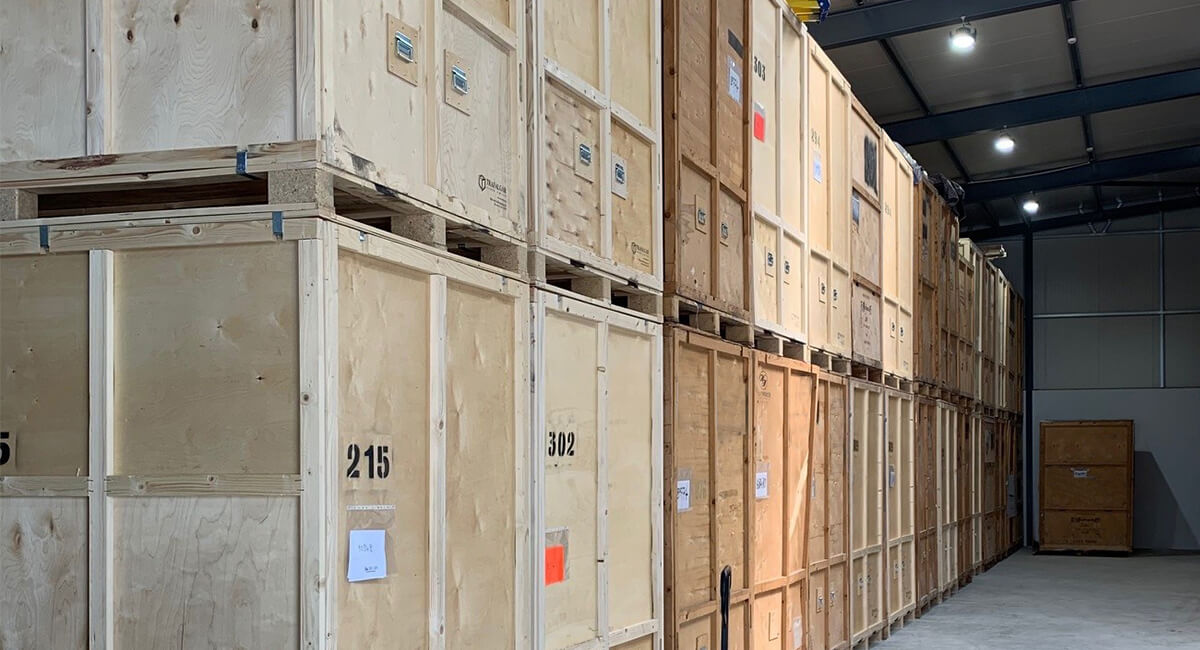
If you’re renovating, waiting for keys, or moving in stages, storage can give you breathing room. You can store items in the UK, in Spain, or both. This lets you move essentials first and bring furniture once you’re settled and know what fits.

For a closer look at how storage fits into the moving process, the storage article goes into more detail (Storage Options).

Customs and Furniture: What You Need to Know

Most furniture moves through customs without any issues, as long as it’s clearly listed on the inventory. High‑value items may need extra detail, but everyday furniture rarely causes delays.

If you want a clearer picture of what’s allowed, the customs article explains it in depth (Customs & Restrictions).

When It Makes Sense to Start Fresh in Spain

There are times when buying new is the smarter choice. Maybe you’re moving into a furnished rental. Maybe you want a different style for your new home. Maybe your furniture is old, mismatched, or simply not worth the effort of transporting.

Spain has plenty of affordable furniture options, from IKEA to local stores that specialise in Mediterranean styles. Many people enjoy the process of choosing pieces that suit their new environment.

When It Makes Sense to Take Everything

On the other hand, taking your furniture is often the right move if you love your current pieces, they’re high quality, or replacing them would be expensive. It also makes sense if you want your new home to feel familiar or you’re moving into a large property.

A full‑load service is ideal for this kind of move, especially if you want fixed dates and a straightforward timeline (Full Load vs Part Load).

Final Thoughts

There’s no universal answer to the “ship or buy new” question — and that’s a good thing. It means you can make the decision that fits your life, your home, and your budget. Some people take everything. Some take nothing. Most take a thoughtful mix of both.

What matters is that the decision feels right for you. Once you understand the practical, emotional, and financial sides of the choice, the whole process becomes far less overwhelming.

And when you finally settle into your new home — whether it’s filled with familiar furniture or brand‑new pieces — the move becomes part of your story, not your stress.

If there’s one part of moving between the UK and Spain that makes people nervous, it’s customs. The word alone sounds like a maze of forms, rules, and potential headaches. And since Brexit, the process has changed enough that even people who’ve moved before sometimes feel like they’re starting from scratch.

The reality is far less dramatic. Customs isn’t complicated once you understand what’s expected — but it does require accuracy. Think of it like boarding a long‑haul flight: the process is smooth as long as you have the right documents in your hand. This guide walks you through what you can take, what you can’t, and how to avoid the small mistakes that cause delays.

Why This Customs Advice Comes From Real Cross‑Border Moves

Customs is the part of a Spain–UK move that makes people most nervous, and for good reason — it’s the one stage where accuracy genuinely matters. The guidance in this article comes from removal teams who handle these routes every week and from the real experiences of people who’ve gone through the process since Brexit changed the rules. They’ve seen the paperwork that gets approved quickly, the mistakes that cause delays, and the small details that make customs officers’ jobs easier.

Nothing here is theoretical or copied from a government page. It’s shaped by the patterns movers see on the ground: the questions customs actually ask, the documents that matter most, and the items that consistently cause confusion. This guide exists to give you clarity before you reach that stage, so you can avoid the stress that comes from not knowing what to expect.

Why Customs Exists (And Why It’s Not as Scary as It Sounds)

Before Brexit, moving between the UK and Spain was as simple as moving between two UK cities. Now, your belongings cross a customs border, which means they need to be declared. That doesn’t mean you’re being taxed on your sofa or your toaster — it simply means customs officials need to know what’s travelling and why.

Most household moves qualify for Transfer of Residence (ToR) rules, which allow you to bring your belongings without paying import duties. The key is proving that you’re genuinely relocating, not importing goods for resale.

If you want a broader look at the whole moving process, this article covers it in detail (Complete Guide).

The Inventory: The Most Important Document in the Whole Move

Every international move requires an inventory — a simple list of what you’re taking. It doesn’t need to be poetic or overly detailed, but it does need to be accurate. Think of it as a map of your belongings.

A good inventory describes what’s in each box, gives a rough value, and notes anything fragile or restricted. You don’t need to list every spoon individually — “kitchen utensils” is perfectly acceptable — but the description should make sense to someone who has never seen your home.

Your removal company will guide you through this, but the more accurate you are, the smoother customs becomes.

What You Can Take Between the UK and Spain

Most everyday household items are allowed without any issues. Furniture, clothing, electronics, books, toys, kitchenware, and personal belongings all pass through customs without much fuss. As long as it’s something you use in your home and it’s clearly not for resale, customs rarely raises an eyebrow.

If you’re unsure whether to take everything or start fresh, the furniture guide helps you weigh the pros and cons (Furniture Guide).

Items That Need Extra Attention

Some items aren’t banned, but they do require more detail or supporting documents. High‑value electronics should be listed clearly. Artwork or antiques may need proof of ownership or valuation. Tools and work‑related equipment sometimes prompt questions about their purpose. Vehicles and scooters follow a completely different process and require separate documentation.

If you’re moving as a family, the family‑focused article explains how to handle children’s belongings and sentimental items (UK to Spain Removals for Families).

What You Can’t Take (Or Shouldn’t Try To)

There are a few categories that customs simply won’t allow or will heavily restrict. Fresh food, meat, dairy, and anything perishable are a no‑go. Packaged, sealed, non‑perishable items are usually fine, but it’s best not to overdo it. Plants and soil are restricted due to agricultural regulations. Hazardous materials — paint, chemicals, gas canisters, flammable items — can’t travel on removal vehicles. Large quantities of alcohol or tobacco may be taxed or confiscated. And anything that looks like stock rather than personal belongings will raise questions.

Transfer of Residence (ToR): The Rule That Saves You Money

ToR is the system that allows you to bring your belongings into Spain or the UK without paying import duties. It’s designed for people who are genuinely relocating, not importing goods for business.

To qualify, you usually need to show proof of your move — a rental contract, home purchase, job offer — along with a list of belongings and evidence that they’re for personal use. Your removal company will guide you through the process, but it’s worth gathering documents early so nothing slows you down.

How Customs Differs in Each Direction

The process is similar in both directions, but the tone is slightly different. Spain tends to be more document‑heavy and wants clear proof of your move. Once everything is submitted correctly, the process is smooth. The UK side is generally more straightforward, but accuracy still matters.

If you’re planning a Spain → UK move, the dedicated article walks you through the process (Spain to UK Removals).

Packing Matters More Than People Realise

Customs officers don’t open every box, but they do expect the packing to match the inventory. If a box is labelled “kitchenware,” it shouldn’t contain a PlayStation. Clear labelling and organised packing make the process smoother.

If you want help with fragile or high‑value items, a part‑packing service is ideal (Part Packing Services). If you want the entire job handled professionally, a full packing service removes the pressure entirely (Full Packing Services).

Storage and Customs: How They Interact

If your belongings go into storage before entering Spain or the UK, the customs process may shift slightly. Storage doesn’t complicate things — it just changes the timing of when customs paperwork is submitted.

For a closer look at how storage fits into the moving process, the storage article goes into more detail (Storage Options).

Final Thoughts

Customs isn’t something to fear — it’s something to prepare for. Once you understand what’s allowed, what needs extra attention, and what to avoid, the whole process becomes far less intimidating. The key is accuracy, not perfection. A clear inventory, honest information, and a removal company that knows the route make all the difference.

One of the first decisions people face when planning a move between the UK and Spain is whether to book a full load or a part load. It sounds like a technical choice, but it shapes the entire experience — the timing, the cost, the level of flexibility you have, and even how stressful the move feels.

Most people don’t think about this until a removal company asks the question, and by then it can feel like you’re choosing between two things you don’t fully understand. This guide breaks it down in a way that feels human rather than technical, so you can make the decision that fits your situation rather than guessing.

Why This Advice Comes From Real Moves, Not Guesswork

The full‑load vs part‑load decision is one of the questions removal companies hear most often, and the guidance in this article comes directly from teams who run the Spain–UK route week in, week out. They’ve seen how each option plays out in real homes, with real timelines, and with families who all have different priorities. The patterns are clear: some people need the control and speed of a dedicated vehicle, while others save money and stress by choosing a shared load — and the right choice depends far more on your situation than on any generic rule.

This guide reflects the conversations movers have every day with clients who are trying to understand what they’re actually paying for, how delivery windows work, and what happens behind the scenes once their belongings are on the road. It’s built from lived experience, not theory, so you can make a decision with confidence rather than relying on guesswork or assumptions.

What a Full Load Really Means

A full load is exactly what it sounds like: the vehicle is dedicated entirely to you. Your belongings are collected, loaded, and transported directly to your new home without sharing space with anyone else.

People often imagine this as the “premium” option, and in many ways it is — but not in a flashy or unnecessary way. It’s premium in the sense that it gives you control. You choose the dates. You choose the pace. You know exactly when your belongings will arrive.

A full load tends to suit people who want predictability. Families juggling school schedules, pets, or work commitments often prefer the certainty of a fixed timeline. If you’re planning a family relocation, the family‑focused article explores how timing affects the move (UK to Spain Removals for Families).

What a Part Load Actually Involves

A part load is a shared‑space service. Your belongings travel alongside other clients’ items, which allows the removal company to optimise space and reduce costs. It’s a bit like car‑sharing, but for international removals.

This option works well for people who aren’t in a rush or who don’t have a large volume to move. You still get a professional service, but you trade a fixed delivery date for a delivery window. For many people, that’s a perfectly reasonable exchange — especially when it keeps the cost down.

If you want a deeper look at how costs shift depending on your choices, the cost guide breaks it down clearly (Cost of Moving Between Spain and the UK).

How Timing Differs Between the Two Options

This is where the difference becomes most noticeable. With a full load, the timeline is built around you. With a part load, the timeline is built around efficiency.

A full load usually moves faster because the vehicle isn’t stopping for other collections or deliveries. A part load takes longer because the company coordinates multiple clients to keep the price sensible.

Neither option is inherently better — they simply suit different situations. If you want a more detailed look at how timelines work for Spain ↔ UK moves, this article covers it in depth (Article Link).

How Packing Fits Into the Decision

Packing plays a bigger role in this choice than people realise. With a full load, you often have a tighter schedule, which means packing needs to be organised. With a part load, you sometimes have more breathing room.

Either way, you don’t have to do it all yourself. Many people choose a part‑packing service for fragile items (Part Packing Services), while others prefer a full packing service to remove the pressure entirely (Full Packing Services).

The right choice depends on your time, your confidence, and how much you value peace of mind.

Cost Differences: The Honest Version

A full load costs more because you’re paying for exclusivity — the entire vehicle, the direct route, and the flexibility. A part load costs less because the space is shared.

But here’s the part people don’t always realise: a part load isn’t “cheap”; it’s efficient. And a full load isn’t “expensive”; it’s dedicated. The real question is whether you value speed and control more than flexibility and savings.

If you’re unsure how these choices affect the final price, the cost article gives a clear breakdown (Cost Guide).

Which Option Works Best for Spain → UK Moves?

Spain → UK moves often involve more uncertainty — property completion dates, flights, school schedules, and the emotional side of returning home. Because of that, many people choose part loads for the flexibility, especially if they’re not in a rush.

If you’re planning a Spain → UK move, the dedicated article walks you through the process (Spain to UK Removals).

Which Option Works Best for UK → Spain Moves?

UK → Spain moves tend to be more structured. People often have a clear move‑in date, especially if they’re relocating for work or moving into a property they’ve already secured. Full loads are popular here because they offer predictability.

If you’re moving with a family, the family‑focused article explains how timing affects the transition (UK to Spain Removals for Families).

Storage: The Wild Card That Changes Everything

Storage can influence your choice more than you expect. If your Spanish property isn’t ready, or you’re renovating, or you’re moving in stages, storage becomes part of the plan.

You can store items in the UK, in Spain, or both. The cost and timing depend on volume and duration.

For a closer look at how storage fits into the moving process, the storage article goes into more detail (Storage Options).

Final Thoughts

Choosing between a full load and a part load isn’t about picking the “best” option — it’s about choosing the one that fits your situation. If you want speed, control, and fixed dates, a full load makes sense. If you want flexibility and a more cost‑effective approach, a part load is the smarter choice.

One of the first questions people ask when planning a move between the UK and Spain is, “How much is this actually going to cost?” It’s a fair question — and a complicated one. International removals aren’t like domestic moves where you can roughly estimate the price based on a few hours of labour and a van. Here, you’re dealing with distance, customs, ferry routes, fuel, packing, storage, and the simple reality that every household is different.

This guide isn’t about giving you a generic number. It’s about helping you understand why prices vary, what actually goes into a quote, and how to make decisions that keep the cost sensible without cutting corners that matter. Think of it as the honest version of the conversation most people wish they’d had before they started planning.

Why This Cost Guide Comes From Real Experience, Not Estimates on Paper

The cost of moving between Spain and the UK is one of the most misunderstood parts of the whole process — and most of that confusion comes from people getting vague quotes or generic advice that doesn’t reflect how international moves actually work. This guide is built from real conversations with removal teams who run the Spain–UK route every week, and from the experiences of people who’ve already made the journey. The patterns are consistent: the price makes sense once you understand what you’re paying for, and the biggest surprises usually come from the details no one explained properly.

Nothing here is theory. It’s shaped by the quotes people receive, the questions they ask, the mistakes they wish they’d avoided, and the practical realities movers deal with on the ground — from tight access in Spanish villages to ferry schedules that shift delivery windows. The goal isn’t to give you a magic number; it’s to give you clarity, so you can make decisions with confidence rather than guesswork.

Why There’s No “One Price Fits All” for UK ↔ Spain Removals

If you’ve ever tried to compare quotes online, you’ll know how wildly they can differ. One company might quote £2,000, another £4,500, and a third might ask you twenty questions before giving you a number at all. That’s because international removals aren’t based on guesswork — they’re based on volume, distance, access, labour, and timing.

A removal company needs to know how much space your belongings will take, how easy it is to load and unload at both properties, whether you need packing, whether you need storage, and whether your dates are flexible. Without that information, any number is just a placeholder.

If you want a deeper look at the full moving process, this article breaks it down in detail (Article Here).

Volume: The Biggest Factor in the Final Price

When you move between the UK and Spain, you’re essentially paying for space on a vehicle. The more you take, the more it costs. A one‑bedroom flat might fit into a small section of a shared vehicle, while a four‑bedroom house might require a full lorry.

People often underestimate how much they own. A house that “doesn’t look too full” can still fill a surprising amount of cubic metres once everything is boxed up. This is why removal companies ask for photos, videos, or a survey — it’s the only way to give an accurate quote.

If you’re unsure whether to take everything or start fresh, the furniture guide will help you weigh the pros and cons (Furniture Guide).

Full Load vs Part Load: How Your Choice Affects the Price

This is one of the biggest decisions you’ll make. A full load means the vehicle is dedicated to you. It’s faster, more flexible, and ideal if you have a large volume or fixed dates. A part load means your belongings share space with other clients, which reduces the cost but requires more flexibility.

Families with larger homes often choose full loads. People with smaller volumes — or those who aren’t in a rush — tend to choose part loads.

If you want a clearer breakdown of the differences, the dedicated article explains it in detail (Full Load vs Part Load).

Packing: A Cost That Saves You Money Later

Packing is one of those areas where people try to save money, only to regret it later. Poor packing leads to breakages, delays, and stress. Good packing protects your belongings and speeds up the move.

You have three options, each with its own logic. You can pack everything yourself if you have the time and confidence. You can choose a part‑packing service for fragile items (Part Packing Services). Or you can hand the whole job over with a full packing service (Full Packing Services).

Packing services add to the cost, but they also reduce risk. It’s a trade‑off between time, confidence, and the value of your belongings.

Access at Both Properties: The Hidden Cost People Forget

Access is one of the most overlooked factors in international removals. Narrow streets, steep driveways, limited parking, or upper‑floor apartments can all affect the price. If the removal team needs a shuttle van, extra labour, or special equipment, the cost increases.

This isn’t a penalty — it’s simply the reality of the work involved. A property that takes two hours to load costs less than one that takes six.

Distance and Route: Why Geography Matters

The UK ↔ Spain route isn’t a straight line. It involves driving through the UK, crossing the Channel, travelling through France, entering Spain, and then reaching your final destination. Fuel, ferry schedules, tolls, and driving hours all influence the cost. Moves to southern Spain naturally cost more than moves to northern Spain because of the extra distance.

Customs and Paperwork: Not Expensive, But Essential

Customs doesn’t usually add a huge cost, but it does add time and admin. You’ll need an inventory, proof of your move, and supporting documents depending on your situation. A good removal company will guide you through it, but accuracy matters.

If you want a clearer picture of what you can and can’t take, the customs article goes into more detail (Customs & Restrictions).

Storage: The Safety Net That Changes the Price

Storage is one of those things people don’t plan for but often end up needing. Maybe your Spanish property isn’t ready. Maybe you’re renovating. Maybe you’re doing the move in stages. Whatever the reason, storage gives you breathing room — but it also affects the price.

You can store items in the UK, in Spain, or both. The cost depends on volume and duration.

For a closer look at how storage fits into the moving process, the storage article goes into more detail (Storage Options).

Seasonal Demand: Why Timing Affects the Price

Summer is the busiest season for UK ↔ Spain moves. Families relocate during school holidays, and demand pushes prices up. Winter is quieter, which often means better availability and more competitive rates.

If your dates are flexible, you can sometimes save money by avoiding peak periods.

Choosing the Right Removal Company: Value Over Price

It’s tempting to choose the cheapest quote, but international removals aren’t a commodity. You’re not buying a product — you’re trusting a team with your home. The right company will guide you through customs, help you pack properly, manage timelines, and keep you informed.

If you want a more detailed breakdown of what to look for, the dedicated article covers it (Choosing a Company).

Final Thoughts

The cost of moving between the UK and Spain isn’t a single number — it’s a combination of decisions, circumstances, and practical realities. Once you understand what affects the price, the whole process becomes far less intimidating. You can make informed choices, avoid unnecessary costs, and plan a move that fits your timeline and your budget.

And once the move is behind you, the cost becomes a footnote. What stays with you is the relief of having made it through and the excitement of settling into your new home.

There’s a moment — usually somewhere between booking the flights and telling your friends — when moving from the UK to Spain stops being an idea and becomes something real. The excitement is there, of course. Sunshine, a slower pace, a different rhythm of life. But for families, that excitement sits alongside a quiet sense of “where do we even start?” You’re not just moving belongings; you’re moving routines, memories, and the structure of your everyday life.

This guide is for families who want the honest version of what the move involves. Not the glossy brochure version, not the overwhelming version — just the grounded, practical truth that helps you prepare without feeling like you’re drowning in decisions.

Why This Guide Reflects Real Family Moves — Not Theory

Families who relocate from the UK to Spain face a very specific set of challenges, and this guide is shaped by the people who’ve actually lived through them. It draws on conversations with parents who’ve navigated new schools, movers who specialise in Spain routes, and families who’ve made the transition more than once. The patterns are surprisingly consistent: the emotional side hits earlier than expected, the practical decisions matter more than people realise, and the move becomes far easier when you understand what’s coming.

Nothing here is guesswork. It’s the kind of advice families wish they’d had before the packing started, based on real timelines, real questions, and the real moments that tend to catch people off guard. Think of it as guidance from people who’ve already walked the path you’re about to take.

The Emotional Side of a UK → Spain Move

Before we get into logistics, it’s worth acknowledging something people rarely say out loud: moving abroad with a family is emotional. Children react differently depending on their age. Teenagers might resist the idea at first. Younger kids often bounce between excitement and confusion. Parents feel a mix of anticipation, guilt, and the pressure of getting everything right. Even pets pick up on the shift.

The reassuring part is that most families settle far quicker than they expect. Spain has a way of softening the landing — the weather, the outdoor lifestyle, the friendliness of local communities. But the transition is smoother when you understand the practical side of the move, which is where we’ll spend most of our time.

Understanding the Real Shape of a UK → Spain Move

A family move isn’t just a larger version of a solo move. It has its own rhythm. There’s the planning phase, the packing phase, the “are we taking too much?” phase, and then the moment the removal team arrives — which is usually when everything suddenly feels manageable.

The journey itself tends to follow a familiar pattern: collection in the UK, transit through France, and delivery in Spain within an agreed window. The timing depends on whether you choose a full load or a part load, something worth understanding early (Full Load vs Part Load).

Families often underestimate how much calmer everything feels once the removal team takes over. The stress peaks before moving day, not during it.

Schools, Routines, and Helping Children Settle

If you’re moving with children, the school decision becomes one of the biggest early choices. Spain offers several routes — local Spanish schools, bilingual schools, and international schools — each with its own strengths.

Local schools help children integrate quickly. International schools offer continuity. Bilingual schools sit somewhere in the middle. There’s no universal “best” option; it depends on your child’s personality and your long‑term plans.

What makes the biggest difference is routine. Families who establish a rhythm early — school, activities, familiar places — tend to settle faster. The move becomes less about what you’ve left behind and more about what you’re building.

The Practical Decisions That Shape the Move

Every family faces the same core questions, even if the answers vary. How much are we taking? What do we do with the furniture? Do we pack ourselves or get help? What about customs? Do we need storage?

These decisions shape the cost, the timeline, and the overall stress level. If you want a clearer breakdown of how costs work, the dedicated guide covers it in detail (Cost of Moving Between Spain and the UK).

Packing for a Family Move: Be Realistic, Not Heroic

Packing is where families often underestimate the workload. Toys, clothes, sentimental items, fragile pieces — it adds up quickly. And when you’re juggling work, school, and the emotional side of the move, packing becomes the thing that gets pushed to the last minute.

You don’t have to do it all yourself. Many families choose a part‑packing service for fragile or awkward items (Part Packing Services). Others go for a full packing service, which removes the pressure entirely (Full Packing Services).

There’s no single right choice. What matters is not underestimating the job. Packing always takes longer than you think, and the quality of the packing is what protects your belongings on the road.

Furniture: Take It or Start Fresh?

Families often have more furniture than they realise — and more emotional attachment to it. Some pieces are worth taking: high‑quality items, sentimental pieces, anything that would be expensive to replace. Others are easier to buy once you arrive.

The real decision is practical. Will the furniture fit the style and size of your Spanish home? Is it cost‑effective to transport? Do you want a fresh start?

If you’re wrestling with this decision, the furniture guide breaks it down in a way that helps you weigh the pros and cons (Furniture Guide).

Customs and Paperwork: The Part Families Worry About Most

Customs sounds intimidating, but it’s manageable once you understand what’s required. You’ll need an inventory, proof of your move, and supporting documents depending on your situation. A good removal company will guide you through it, but you’ll still need to provide accurate information.

The important thing is not to leave customs paperwork until the last minute. Think of it as a partnership — they handle the process, you provide the details.

For a clearer picture of what you can and can’t take, the customs article goes into more detail (Customs & Restrictions).

Storage: A Safety Net for Families

Storage becomes relevant more often than families expect. Maybe your Spanish property isn’t ready. Maybe you’re renovating. Maybe you’re moving in stages. Whatever the reason, storage gives you breathing room.

You can store items in the UK, in Spain, or both, depending on your timeline. The important thing is to choose a removal company that offers secure, flexible storage so you’re not juggling multiple providers.

For a closer look at how storage fits into the moving process, the storage article goes into more detail (Storage Options).

Choosing the Right Removal Company for a Family Move

This is where the whole experience either becomes smooth or stressful. A good removal company doesn’t just move boxes — they guide you through the entire process. They explain customs, help with packing decisions, manage timelines, and keep you informed.

When you’re comparing companies, look for experience with Spain routes, clear communication, and a willingness to answer questions. The cheapest quote isn’t always the best value; the right company is the one that makes you feel confident and supported.

If you want a more detailed breakdown of what to look for, the dedicated article covers it (Choosing a Company).

Final Thoughts

A UK → Spain move is a big step for any family, but it doesn’t have to be a stressful one. When you understand the process — the timelines, the packing decisions, the customs rules, the emotional side — everything becomes more manageable. The move stops feeling like a mountain and starts feeling like a series of steps you can take one at a time.

And once you’re in Spain, the stress of the move fades quickly. What stays with you is the excitement of a new chapter, the relief of having made it through, and the comfort of knowing you handled it well.

There’s something quietly emotional about planning a move from Spain back to the UK. Even when you’re ready for the change — whether it’s for family, work, or simply because life has shifted — the process carries a weight that’s different from an ordinary relocation. You’re not just packing a house; you’re closing a chapter. And that’s before you even get into the logistics of getting everything from one country to another without losing your mind in the process.

The good news is that a Spain → UK move doesn’t have to feel chaotic. Once you understand how the journey actually unfolds, the whole thing becomes far more manageable. This guide walks you through the parts people often overlook, the decisions that make the biggest difference, and the small habits that keep the stress levels down.

Why This Guide Is Worth Listening To

People don’t move from Spain back to the UK every day, but the teams who specialise in this route do — and this guide is shaped by what they see, fix, and help families navigate week after week. It’s built from real moves, real timelines, and the real questions people ask when they’re trying to make sense of the journey home.

We’ve spoken with movers who’ve handled everything from small apartments in coastal towns to full family homes in rural Spain, and the patterns are always the same: the stress comes from the unknowns. This guide exists to remove those unknowns. It won’t tell you what to do — every move is different — but it will give you the kind of clarity people wish they’d had before the boxes were packed and the van was on the way.

Understanding the Shape of a Spain → UK Move

People often imagine the move as a straight line: pack up in Spain, load the van, drive to the UK, unload. In reality, it’s more like a series of overlapping steps. There’s the admin phase, the packing phase, the “are we taking too much?” phase, and then the moment the removal team arrives — which is usually when everything suddenly feels real.

Once your belongings are collected, they begin the journey north through Spain, across France, and over the Channel before reaching the UK. The timing depends on whether you’ve booked a full load or a part load, something worth understanding early (Full Load vs Part Load).

Most people are surprised by how much calmer the process feels once the removal team takes over. The stress tends to peak before moving day, not during it.

Getting the Timing Right

A Spain → UK move isn’t a quick hop. Even with a dedicated vehicle, the journey spans several days. With a part load, the delivery window is wider because the company coordinates multiple clients to keep costs sensible.

The key is to build in a little flexibility. Weather, ferry schedules, and access issues can all influence timing. The move will still happen smoothly, but it won’t always follow the exact mental schedule you had in mind.

If you want a deeper look at how timelines work for UK ↔ Spain moves, the main pillar article breaks it down clearly (Article here).

Packing Properly Makes Everything Easier

Packing is where people either save themselves a lot of stress or create problems they only discover weeks later. The temptation is to rush it, especially toward the end, but the way you pack determines how well your belongings survive the journey.

Some people prefer to pack everything themselves, and that’s fine if you’re organised and have the time. Others choose a part‑packing service for fragile or awkward items (Part Packing Services). And then there are those who go for a full packing service, which removes the pressure entirely (Full Packing Services).

There’s no right or wrong choice — it depends on your time, your confidence, and how much you value peace of mind. What matters is not underestimating the job. Packing always takes longer than you expect, and the quality of the packing is what protects your belongings on the road.

What You Can and Can’t Take Back to the UK

Customs rules apply in both directions now, and while the UK side is generally more straightforward than Spain’s, you’ll still need to provide accurate information. You’ll need an inventory, proof of your move, and supporting documents depending on your situation.

The important thing is not to leave customs paperwork until the last minute. A good removal company will guide you through it, but you’ll still need to provide the right details. Think of it as a partnership — they handle the process, you provide the information.

For a clearer picture of what you can and can’t take, the customs article goes into more detail (Customs & Restrictions).

Deciding What to Bring and What to Leave Behind

This is one of the trickiest parts of a Spain → UK move. Some items are worth taking — sentimental pieces, high‑quality furniture, anything that would be expensive to replace. Other items are easier to sell or donate before you leave.

The real decision is practical:

Will the furniture fit the style and size of your UK home?

Is it cost‑effective to transport?

Do you want a fresh start?

If you’re wrestling with this decision, the furniture guide breaks it down in a way that helps you weigh the pros and cons (Furniture Guide).

Storage Can Be a Lifesaver

Storage becomes relevant more often than people expect. Maybe your UK property isn’t ready. Maybe you’re renovating. Maybe you’re moving in stages. Whatever the reason, storage gives you breathing room.

You can store items in Spain, in the UK, or both, depending on your timeline. The important thing is to choose a removal company that offers secure, flexible storage so you’re not juggling multiple providers.

For a closer look at how storage fits into the moving process, the storage article goes into more detail (Storage Options).

Choosing the Right Removal Company

This is where the whole experience either becomes smooth or stressful. A good removal company doesn’t just move boxes — they guide you through the entire process. They explain customs, help with packing decisions, manage timelines, and keep you informed.

When you’re comparing companies, look for experience with Spain routes, clear communication, and a willingness to answer questions. The cheapest quote isn’t always the best value; the right company is the one that makes you feel confident and supported.

If you want a more detailed breakdown of what to look for, the dedicated article covers it (Choosing a Company).

Final Thoughts

A Spain → UK move is a big transition, but it doesn’t have to be a stressful one. When you understand the process — the timelines, the packing decisions, the customs rules, the emotional side — everything becomes more manageable. The move stops feeling like a mountain and starts feeling like a series of steps you can take one at a time.

And once you’re back in the UK, the stress of the move fades quickly. What stays with you is the comfort of being home, the relief of having made it through, and the satisfaction of knowing you handled it well.

Moving from the UK to Spain is one of those life decisions that feels exciting and overwhelming in equal measure. There’s the sunshine, the slower pace of life, the promise of a fresh start — and then there’s the practical side: the packing, the paperwork, the logistics, the “what do we do with the sofa?” conversations. Anyone who has made the journey will tell you that the move itself becomes a story you remember for years, usually with a mix of laughter and “we should’ve planned that bit better.”

This guide is here to take the mystery out of the process. Not in a stiff, checklist‑style way, but in the same way you’d explain it to a friend who’s getting ready to relocate. We’ll walk through the real costs, the timelines that actually happen (not the ones people imagine), the rules you need to know, and the small decisions that make a big difference. And because every move is different, this isn’t written like a manual — it’s written like someone who’s been around the block and knows what tends to catch people off guard.

Most of what follows focuses on UK → Spain moves, because that’s where the demand — and the complexity — usually sits. But we’ll touch on Spain → UK moves too, so the guide stands as a complete reference.

Why This Guide Exists (And Why You Can Trust It)

This isn’t a generic checklist pulled from a template. It’s built from real conversations with families, couples, and solo movers who’ve actually made the journey between the UK and Spain — and from the removal teams who’ve helped them do it. Every section reflects the questions people ask most often, the mistakes they wish they’d avoided, and the small decisions that made the biggest difference.

We’ve worked with trusted removal partners who specialise in Spain–UK moves, and we’ve seen what works (and what doesn’t) across hundreds of relocations. So while this guide won’t tell you what to do, it will help you make informed choices — with clarity, not guesswork.

Understanding the Journey: What a UK → Spain Move Really Involves

People often imagine the move as a single event: pack up in the UK, arrive in Spain, job done. In reality, it unfolds in stages, each with its own rhythm. The early part is usually admin‑heavy — confirming dates, sorting documents, deciding what’s coming with you. Then comes the packing phase, which always takes longer than expected. After that, the removal team steps in, and the whole thing starts to feel real.

A good removal company will guide you through each step, but it helps to know the broad shape of the journey. You’ll have a collection day in the UK, a transport window while your belongings make their way across Europe, and a delivery day in Spain. The timing depends on whether you choose a full load or part load, something we’ll come back to later.

What surprises most people is how much smoother everything feels once the removal team takes over. The stress tends to peak before moving day, not during it.

What It Really Costs to Move From the UK to Spain

There’s no single price tag for a UK → Spain move, and anyone who gives you a fixed number without asking questions is guessing. The cost depends on distance, volume, access at both properties, the type of service you choose, and whether you need storage along the way.

A realistic way to think about it is this: you’re paying for space, time, and expertise. The more you take, the more it costs. The more complex the access, the more labour is involved. And if you need packing, storage, or specialist handling, that adds another layer.

Rather than breaking this into a sterile list, here’s how most people experience the cost conversation:

You start with a rough idea, you get a quote, and then you realise there are a few decisions that can shift the price up or down. For example, choosing a part load can reduce costs if your dates are flexible. Packing services can save you time and protect your belongings, but they add to the total. Storage can be a lifesaver if your Spanish property isn’t ready yet.

For a deeper look at how pricing works, you’ll want to read the dedicated cost guide (Cost of Moving Between Spain and the UK).

How Long a UK → Spain Move Takes (And What Affects the Timeline)

Timelines are one of the most misunderstood parts of the process. People often assume the move will take a week, or that everything happens in a straight line. In reality, the timeline depends on the type of service you choose and the route your belongings take.

A full load usually moves faster because the vehicle is dedicated to you. A part load takes longer because the removal company coordinates multiple clients to keep costs down. Weather, ferry schedules, and access issues can also influence timing.

Most UK → Spain moves follow a pattern:

  • Collection in the UK
  • Transit through France
  • Delivery in Spain within an agreed window

The key is to build in a little flexibility. The move will still happen smoothly, but it won’t always follow the exact mental timeline you had in your head. If you want a more detailed breakdown, the timeline article will walk you through it (Spain to UK Removals / Smooth Move).

Customs, Paperwork, and the Rules You Need to Know

Since Brexit, moving between the UK and Spain involves customs procedures that didn’t exist before. It’s not complicated once you understand it, but it does require accuracy. You’ll need an inventory, proof of residency or intent to reside, and supporting documents depending on your situation.

The important thing is this: customs isn’t something to leave until the last minute. A good removal company will guide you through it, but you’ll still need to provide the right information. Think of it as a partnership — they handle the process, you provide the details.

If you want a clearer picture of what you can and can’t take, and how customs actually works, the dedicated article covers it in depth (Customs & Restrictions).

Packing for a Move to Spain: Doing It Properly Makes a Difference

Packing is where people either save themselves a lot of stress or create problems they only discover weeks later. The temptation is to rush it, especially toward the end, but the way you pack determines how well your belongings survive the journey.

Some people prefer to pack everything themselves, and that’s fine if you’re organised and have the time. Others choose a part‑packing service, where professionals handle the fragile or awkward items (Part Packing Services). And then there are those who go for a full packing service, which removes the pressure entirely (Full Packing Services).

There’s no right or wrong choice — it depends on your time, your confidence, and how much you value peace of mind. What matters is that you don’t underestimate the job. Packing always takes longer than you think, and the quality of the packing is what protects your belongings on the road.

Should You Ship Your Furniture or Buy New in Spain?

This is one of the most common questions people ask, and the answer depends on your situation. Some furniture is worth taking — sentimental pieces, high‑quality items, or anything that would be expensive to replace. Other items are easier to buy once you arrive.

The real decision isn’t emotional or financial alone; it’s practical. Will the furniture fit the style and size of your new home? Is it cost‑effective to transport? Do you want to start fresh?

If you’re wrestling with this decision, the furniture guide breaks it down in a way that helps you weigh the pros and cons (Furniture Guide).

Storage Options When Moving Between the UK and Spain

Storage becomes relevant more often than people expect. Maybe your Spanish property isn’t ready. Maybe you’re renovating. Maybe you’re doing the move in stages. Whatever the reason, storage gives you breathing room.

You can store items in the UK, in Spain, or both, depending on your timeline. The important thing is to choose a removal company that offers secure, flexible storage so you’re not juggling multiple providers.

For a closer look at how storage fits into the moving process, the storage article goes into more detail (Storage Options).

Choosing a Reliable Removal Company for a Spain Move

This is where the whole experience either becomes smooth or stressful. A good removal company doesn’t just move boxes — they guide you through the entire process. They explain customs, help with packing decisions, manage timelines, and keep you informed.

When you’re comparing companies, look for experience with Spain routes, clear communication, and a willingness to answer questions. The cheapest quote isn’t always the best value; the right company is the one that makes you feel confident and supported.

If you want a more detailed breakdown of what to look for, the dedicated article covers it (Choosing a Company).

A Quick Note on Spain → UK Moves

While this guide focuses on UK → Spain, the reverse journey follows many of the same principles. The main differences are usually related to timing, customs documentation, and the emotional side of returning home. If you’re planning a Spain → UK move, the supporting article will walk you through it (Spain to UK Removals).

Final Thoughts

Moving from the UK to Spain is a big step, but it doesn’t have to be a chaotic one. When you understand the process — the costs, the timelines, the rules, the decisions — everything becomes more manageable. The move stops feeling like a mountain and starts feeling like a series of steps you can take one at a time.

And once you’re settled in Spain, the stress of the move fades quickly. What stays with you is the excitement of starting a new chapter, the relief of having made it through, and the comfort of knowing you handled it well.

Relocating from the UK to Spain is an increasingly popular decision, allowing many to enjoy the benefits of living in sunny Spain. With a vibrant lifestyle and warmer climates, this new way of living makes it easier for individuals starting a new chapter overseas. While many may consider turning to independent removals, there are several risks associated with this decision that will affect the flow and ease of the transition. This is where working with a removal company for UK to Spain moves makes all the difference. 


At Malaga Removals, we provide comprehensive moving solutions, from part-packing services to full-house removals. We understand that DIY moving to another country offers an initially lower cost, but it quickly becomes stressful and is often filled with various consequences along the way. This is why seeking help when moving to Spain with a professional removal company is the way forward. We highlight a number of scenarios hiring a professional removal company when moving to Spain from the UK. 

Moving an Entire Home

When relocating from the UK to Spain, one of the first signs that you need to work with a professional company is if you need to move an entire home’s worth of belongings overseas. Doing this independently is incredibly challenging, requiring a lot of stress, including packaging, transporting, and moving bulky household items overseas. If you’re moving an entire property, working with an expertremoval company, such as Malaga Removals, ensures all goods are safely transported and moved with ease. 

Physically Unable to Move Goods

Moving with a professional team is highly recommended when you’re dealing with mobility challenges, illness, or simply cannot move bulky or large quantities of items. The process of handling and moving boxes and other items can be incredibly tiring and can lead to injury if not done correctly. Instead, working with a team like Malaga Removals allows you to focus on other essential aspects of your relocation to Spain, as we handle the heavy lifting and everything in between. 

Working with Tight Deadlines

Does your relocation from the UK to Spain have strict deadlines? If so, independent moving attempts are incredibly risky and can lead to significant delays, jeopardising the move’s success. However, expert removal companies from the UK to Spain ensure tight deadlines are met, also taking into account travel arrangements, tenancy timelines, and other life commitments. Removal teams in the UK to Spain streamline the process, making even the most specific moving schedules much smoother and stress-free.

Taking Fragile or Delicate Items

If you’re thinking of relocating with meaningful keepsakes, valuable antiques, or anything delicate, seeking the expertise of a professional team is key. To keep these items protected during the process, attempting DIY removals is a risky decision that will only lead to costly damage further down the line. Professional removal companies in the UK to Spain relocations are there to ensure quality, calm solutions. Packing and handling each item with the utmost care ensures that even the most fragile items are transported overseas safely.

You Require Other Removal Services

Do you also require storage support? Or assistance with relocation documentation? Deciding to work with a specialist moving company to Spain is imperative, especially if you need other services along the way. At Malaga Removals, our team is here to help you every step of the way, from handling heavy furniture to tackling intricate paperwork. Rather than attempting each part yourself and encountering difficulties throughout the process, enjoy the comprehensive support that expert removal companies from the UK to Spain offer.

Relocating with Children and Pets

Moving from the UK to Spain with children and pets can be an incredibly overwhelming experience, with even more roles and responsibilities than other moves. Overseeing various travel arrangements, maintaining a sense of routine, and ensuring everyone remains comfortable along the way can make for a much smoother transition. Working with a reputable removal company means you can handle parenting and keeping pets settled while the experts navigate the various other tasks involved in the move.

Need Assistance with All Documentation

Overseas removals require significant paperwork, all of which involves various details and terminology that can be time-consuming and, at times, confusing to complete. Instead of making documentation errors or missing strict deadlines, partnering with a professional ensures everything is verified and submitted on time. Not only does this correctly filled-out paperwork streamline the process at the border, but it also ensures that the move follows the necessary procedures, which must be met for an efficient and successful move. 

You’re Looking for Stress-Free Processes

One of the most significant advantages and often one of the most common reasons why people opt for help when moving to Spain from the UK is the peace of mind it brings to the process. From packing the entire home and handling dozens of bulky boxes to seamless transportation and delivery, professional teams have got you covered. Not only do experts oversee the complex logistics of international moves, but they also prevent errors, resulting in a much more efficient and calming moving experience. 

Removals from the UK to Spain You Can Trust

While the excitement of moving to Spain can be overwhelming, remembering to partner with a reputable removal company from the UK to Spain relocations is key. Whether you’re relocating with the entire family, need support navigating complex documentation, or simply want a stress-free transportation process, the Malaga Removals team is here to help.

As one of the leading removal companies for the UK to Spain, we are committed to helping you navigate the complexities of relocating, making it a smooth, straightforward journey from start to finish. Take a look at Malaga Removals online and explore the various moving options available. Call us at 01621 850070 and we can help you kickstart the planning process for your upcoming relocation to Spain.

When relocating overseas from the UK, there are many aspects to consider. One of the main areas that can be confusing is deciding whether a full or part load removal from the UK to Spain is the better option. The moving process can be incredibly daunting, but each step is crucial to ensuring a smooth, seamless journey. While part and full loads both have their advantages, choosing the correct method can be challenging. 

At Malaga Removals, a leading home removals service from the UK to Spain, we are here to help you choose the right option for your needs. With factors like price, timelines, and storage to consider, we understand how overwhelming it can be to make the right decision. In this blog post, we have explored six factors to consider when deciding between a part load and or full load removal when moving to Spain from the UK.

Key Factors to Consider

When planning your transition from the UK to Spain, understanding the key differences between part and full load removals is essential, helping you make the right decision when streamlining your move. Each option offers distinct advantages and is better suited to you when budget, moving timeline, and household size are taken into account. By assessing your specific needs, you can choose the right service for you. At Malaga Removals, we offer both part and full load options tailored to your move. 

Affordability

A primary factor to consider when choosing between a part and full load removal from the UK to Spain is the price. Part load removals are more affordable because they use only a small, designated section of the moving vehicle. These items will require less labour and transportation and take up less room, making them a cheaper option. However, full-load removals are a worthwhile investment if you’re moving larger quantities. Trusted companies like Malaga Removals offer budget removal options for those seeking affordability and complete packing services for those who need additional services, making it the perfect moving investment.

Moving Timeline

Another key factor to consider when deciding between part or full load removals is the moving timeline. Your schedule is a vital component that determines which moving option suits you best. Home removals from the UK to Spain under a part load service may take slightly longer, but are ideal for those with somewhat more relaxed timelines. However, full loads usually follow a direct route, offering quicker delivery times. The team at Malaga Removals helps you plan effectively, and discuss your moving timelines when picking the right option for your move. Timing your move efficiently can make the entire experience much smoother.

Living Circumstances

The location and duration of your stay in Spain can help you decide which moving method is best for you. If you’re moving to a fully furnished apartment or staying in Spain for a temporary period, part load removals from the UK to Spain may be a better fit. However, those coming with significant belongings, including furniture, and residing in Spain for the foreseeable future can benefit from investing in a full-load service. At Malaga Removals, we understand that every relocation is unique, which is why we tailor our removal plans to your timeline and individual circumstances.

Amount of Belongings

Solo travellers, students, and gap-year individuals may wish to pack fewer items than families or retirees who are moving their entire lives to Spain. The number of items helps determine which moving method is necessary. Smaller shipments fit perfectly into part load removals from the UK to Spain, minimising moving costs. Larger households with furniture, sports equipment, electrical devices, and personal items will benefit from a full load, where an entire vehicle is dedicated to your belongings. Malaga Removals helps ensure all your items are transported safely, securely, and on schedule to your new home destination in Spain.

Moving Flexibility

While moving from the UK to Spain is a plan that requires excessive planning and preparation, some people will have tighter schedules and flexibility than others. Those with a less strict moving schedule can benefit from choosing part load removals from the UK to Spain, as the services are slightly less rigid, giving you some flexibility. At the same time, full-load services are ideal for those with stricter moving timelines and moving various goods that require extensive space and expertise. Whether moving a few boxes or an entire home, the experienced team at Malaga Removals works to accommodate your specific needs and preferences.

Storage Requirements

Need to store your goods when you arrive in Spain? If your relocation timeline doesn’t align perfectly, temporary storage facilities can be incredibly valuable. Those looking to combine home removals from the UK to Spain with part loadremovals use storage facilities to hold their belongings safely until delivery is convenient. Malaga Removals offers secure storage solutions, giving you complete peace of mind as you settle into your new home. This added flexibility that Malaga Removals offers makes it easier for you to coordinate complex moving schedules or staged relocation plans.

Professional Home Removals from the UK to Spain

Moving to sunny Spain and unsure of what method is best? Rather than stressing and rushing the decision, taking the factors above into consideration can help you create a smooth, streamlined move and relocate with ease. If you have a large number of items and a slightly less flexible moving timeline, a full-load removal may be the better option. But if you’re on a tighter budget and are moving temporarily,part load removals from the UK to Spain may be the better solution. 
Looking for budget removals from the UK to Spain? Look no further than Malaga Removals. Offering a number of moving options, tailored services, excellent value, and guaranteed support, we are proud to be one of the go-to companies in the business. So if you’re planning to relocate as a family or on your own, call us today on 01621 850070 and get ready for your new chapter overseas.

The prospect of moving abroad is an exciting one for many families, although it’s understandable to worry. It’s easy to delay making the move for several reasons: moving somewhere unfamiliar, leaving family and friends behind, and even financial worries can all be reasons to put off moving abroad. The good news is that the New Year brings with it a wealth of new opportunities, and finally following your dream of moving abroad could be one of them. Here, we explore some of the leading reasons why 2026 could be the year families make the move to Spain, and how Malaga Removals is here to help make it a reality.

A Better Quality of Life for the Whole Family

It’s well known that Spain has a more relaxed way of life. This laid back approach is appealing to many families looking for a break from the hectic lifestyle that’s been normalised in the UK. Daily routines are slower, with more emphasis placed on enjoying time together as a family. Longer evenings, shared meals, and a strong sense of community all contribute to more balanced day-to-day living. For many families, this allows them to reconnect, spend more quality time together, and enjoy the small moments that often get lost in busier environments.

Sunshine and Outdoor Living All Year Round

One of the most obvious benefits of moving to Spain is the climate. Compared to the UK, Spain enjoys significantly more sunshine and consistently higher temperatures year-round, even in winter. The warmer weather means families naturally spend more time outside, enjoying parks, beaches, and outdoor restaurants. Children naturally become more active whilst enjoying the benefits of being in fresh air, and parents appreciate the improved mental well-being of the whole family.

Affordable Family Living 

In much of Spain, the cost of everyday living can be lower than in the UK. Groceries, rent, dining out, and utility bills are often more affordable, helping families stretch their budgets further and live more comfortably. This can mean enjoying a higher standard of living without increasing monthly costs. This financial balance is a big factor for many families and one that makes the prospect of moving to a different country more achievable than many initially expect.

Excellent Education Options

Spain offers a wide range of education options for families relocating from the UK. These include public, private, and international schools catering specifically to expat families. Many international schools follow the British curriculum, which can make the change and the move less stressful for children. Smaller class sizes, a strong focus on languages, and a more relaxed approach to learning are all significant factors for parents planning a move.

A Safe and Family-Friendly Environment

Safety is a top priority for families thinking about moving abroad, and Spain consistently ranks among the safest countries, with low crime rates. Many regions in the country have a strong sense of community, where local people look out for one another. Children are warmly welcomed in Spanish culture, and family life plays a central role in daily life. This creates an environment where parents often feel comfortable letting their children out to play and explore their new surroundings independently.

Easier Access to Healthcare

Spain is well-known for having a high-quality healthcare system. Families can access both public and private healthcare services to fit their needs and budget. Healthcare is surprisingly accessible, especially for children and routine appointments. So long as families thoroughly research and arrange the appropriate medical insurance, they’ll be covered for most medical situations. Knowing that good medical care is readily available provides reassurance for many families planning a move abroad.

Strong Expat Communities and Support Networks

For families moving abroad for the first time, having a support network can make a huge difference. Many areas of Spain have well-established expat communities, and further support groups can be found on social media. These groups often provide advice, friendly connections, and some familiarity for families immediately after moving. This support can be helpful when settling into a new country and helps families feel at home more quickly.

More Space for Your Money

Housing is an area that many notice is largely different in Spain. Compared to the UK, many families find they can afford larger homes with more outdoor space in Spain. Properties with gardens, terraces, or access to communal pools are common, making them ideal for family life. This extra space allows children to play freely and gives families room to relax and entertain.

A Fresh Start for Work, Lifestyle, and Family Goals

Moving abroad represents a fresh start for many. This could mean changing careers, trying a remote working role to spend more time with family, or taking up an old hobby that had been lost in the hustle and bustle of daily life back home. 2026 is an ideal time to reassess priorities and focus on what truly matters. A move to Spain can support slower routines, better work-life balance, and a lifestyle that better suits a family looking to spend more time together.

Are you Ready to Make the Move to Spain in 2026?

In summary, there are many reasons why British families should take the leap and move to Spain in 2026. From better weather to a slower pace of life and excellent amenities, Spain is a top destination for families seeking a better quality of life. With the proper research and planning, the logistics of a move of this scale don’t have to be overwhelming.

At Malaga Removals, we can help with every step of the moving process. Part packing, full packing and storage services are among the most popular options available to our customers, and we pride ourselves on making the move to Spain as simple as possible for families across the UK. Get in touch with our team today for a chat and find out how we can help your family get moved to Spain this year.