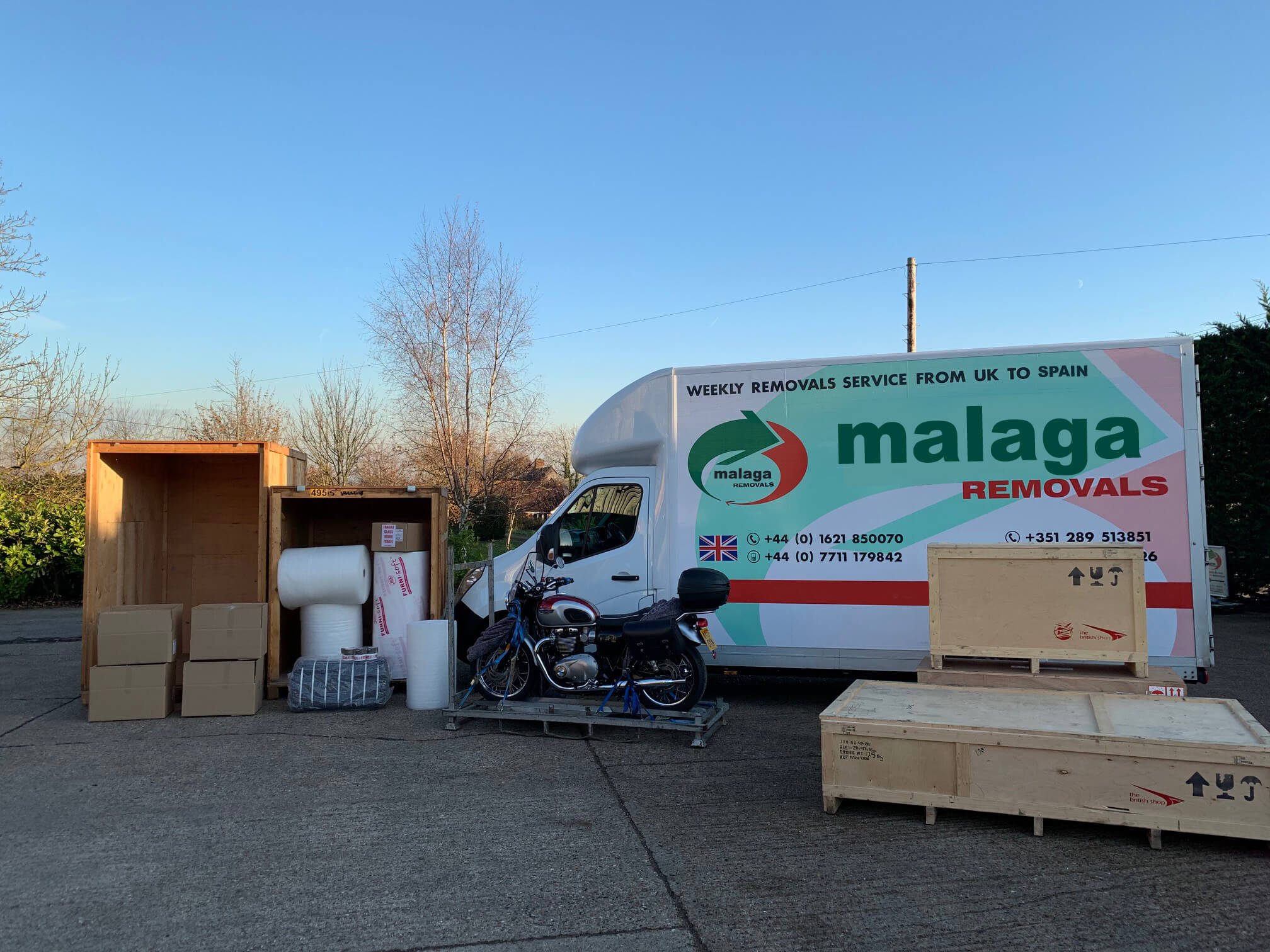
One of the first questions people ask when planning a move between the UK and Spain is, “How much is this actually going to cost?” It’s a fair question — and a complicated one. International removals aren’t like domestic moves where you can roughly estimate the price based on a few hours of labour and a van. Here, you’re dealing with distance, customs, ferry routes, fuel, packing, storage, and the simple reality that every household is different.
This guide isn’t about giving you a generic number. It’s about helping you understand why prices vary, what actually goes into a quote, and how to make decisions that keep the cost sensible without cutting corners that matter. Think of it as the honest version of the conversation most people wish they’d had before they started planning.
Why This Cost Guide Comes From Real Experience, Not Estimates on Paper
The cost of moving between Spain and the UK is one of the most misunderstood parts of the whole process — and most of that confusion comes from people getting vague quotes or generic advice that doesn’t reflect how international moves actually work. This guide is built from real conversations with removal teams who run the Spain–UK route every week, and from the experiences of people who’ve already made the journey. The patterns are consistent: the price makes sense once you understand what you’re paying for, and the biggest surprises usually come from the details no one explained properly.
Nothing here is theory. It’s shaped by the quotes people receive, the questions they ask, the mistakes they wish they’d avoided, and the practical realities movers deal with on the ground — from tight access in Spanish villages to ferry schedules that shift delivery windows. The goal isn’t to give you a magic number; it’s to give you clarity, so you can make decisions with confidence rather than guesswork.
Why There’s No “One Price Fits All” for UK ↔ Spain Removals
If you’ve ever tried to compare quotes online, you’ll know how wildly they can differ. One company might quote £2,000, another £4,500, and a third might ask you twenty questions before giving you a number at all. That’s because international removals aren’t based on guesswork — they’re based on volume, distance, access, labour, and timing.
A removal company needs to know how much space your belongings will take, how easy it is to load and unload at both properties, whether you need packing, whether you need storage, and whether your dates are flexible. Without that information, any number is just a placeholder.
If you want a deeper look at the full moving process, this article breaks it down in detail (Article Here).
Volume: The Biggest Factor in the Final Price
When you move between the UK and Spain, you’re essentially paying for space on a vehicle. The more you take, the more it costs. A one‑bedroom flat might fit into a small section of a shared vehicle, while a four‑bedroom house might require a full lorry.
People often underestimate how much they own. A house that “doesn’t look too full” can still fill a surprising amount of cubic metres once everything is boxed up. This is why removal companies ask for photos, videos, or a survey — it’s the only way to give an accurate quote.
If you’re unsure whether to take everything or start fresh, the furniture guide will help you weigh the pros and cons (Furniture Guide).
Full Load vs Part Load: How Your Choice Affects the Price
This is one of the biggest decisions you’ll make. A full load means the vehicle is dedicated to you. It’s faster, more flexible, and ideal if you have a large volume or fixed dates. A part load means your belongings share space with other clients, which reduces the cost but requires more flexibility.
Families with larger homes often choose full loads. People with smaller volumes — or those who aren’t in a rush — tend to choose part loads.
If you want a clearer breakdown of the differences, the dedicated article explains it in detail (Full Load vs Part Load).
Packing: A Cost That Saves You Money Later
Packing is one of those areas where people try to save money, only to regret it later. Poor packing leads to breakages, delays, and stress. Good packing protects your belongings and speeds up the move.
You have three options, each with its own logic. You can pack everything yourself if you have the time and confidence. You can choose a part‑packing service for fragile items (Part Packing Services). Or you can hand the whole job over with a full packing service (Full Packing Services).
Packing services add to the cost, but they also reduce risk. It’s a trade‑off between time, confidence, and the value of your belongings.
Access at Both Properties: The Hidden Cost People Forget
Access is one of the most overlooked factors in international removals. Narrow streets, steep driveways, limited parking, or upper‑floor apartments can all affect the price. If the removal team needs a shuttle van, extra labour, or special equipment, the cost increases.
This isn’t a penalty — it’s simply the reality of the work involved. A property that takes two hours to load costs less than one that takes six.
Distance and Route: Why Geography Matters
The UK ↔ Spain route isn’t a straight line. It involves driving through the UK, crossing the Channel, travelling through France, entering Spain, and then reaching your final destination. Fuel, ferry schedules, tolls, and driving hours all influence the cost. Moves to southern Spain naturally cost more than moves to northern Spain because of the extra distance.
Customs and Paperwork: Not Expensive, But Essential
Customs doesn’t usually add a huge cost, but it does add time and admin. You’ll need an inventory, proof of your move, and supporting documents depending on your situation. A good removal company will guide you through it, but accuracy matters.
If you want a clearer picture of what you can and can’t take, the customs article goes into more detail (Customs & Restrictions).
Storage: The Safety Net That Changes the Price
Storage is one of those things people don’t plan for but often end up needing. Maybe your Spanish property isn’t ready. Maybe you’re renovating. Maybe you’re doing the move in stages. Whatever the reason, storage gives you breathing room — but it also affects the price.
You can store items in the UK, in Spain, or both. The cost depends on volume and duration.
For a closer look at how storage fits into the moving process, the storage article goes into more detail (Storage Options).
Seasonal Demand: Why Timing Affects the Price
Summer is the busiest season for UK ↔ Spain moves. Families relocate during school holidays, and demand pushes prices up. Winter is quieter, which often means better availability and more competitive rates.
If your dates are flexible, you can sometimes save money by avoiding peak periods.
Choosing the Right Removal Company: Value Over Price
It’s tempting to choose the cheapest quote, but international removals aren’t a commodity. You’re not buying a product — you’re trusting a team with your home. The right company will guide you through customs, help you pack properly, manage timelines, and keep you informed.
If you want a more detailed breakdown of what to look for, the dedicated article covers it (Choosing a Company).
Final Thoughts
The cost of moving between the UK and Spain isn’t a single number — it’s a combination of decisions, circumstances, and practical realities. Once you understand what affects the price, the whole process becomes far less intimidating. You can make informed choices, avoid unnecessary costs, and plan a move that fits your timeline and your budget.
And once the move is behind you, the cost becomes a footnote. What stays with you is the relief of having made it through and the excitement of settling into your new home.