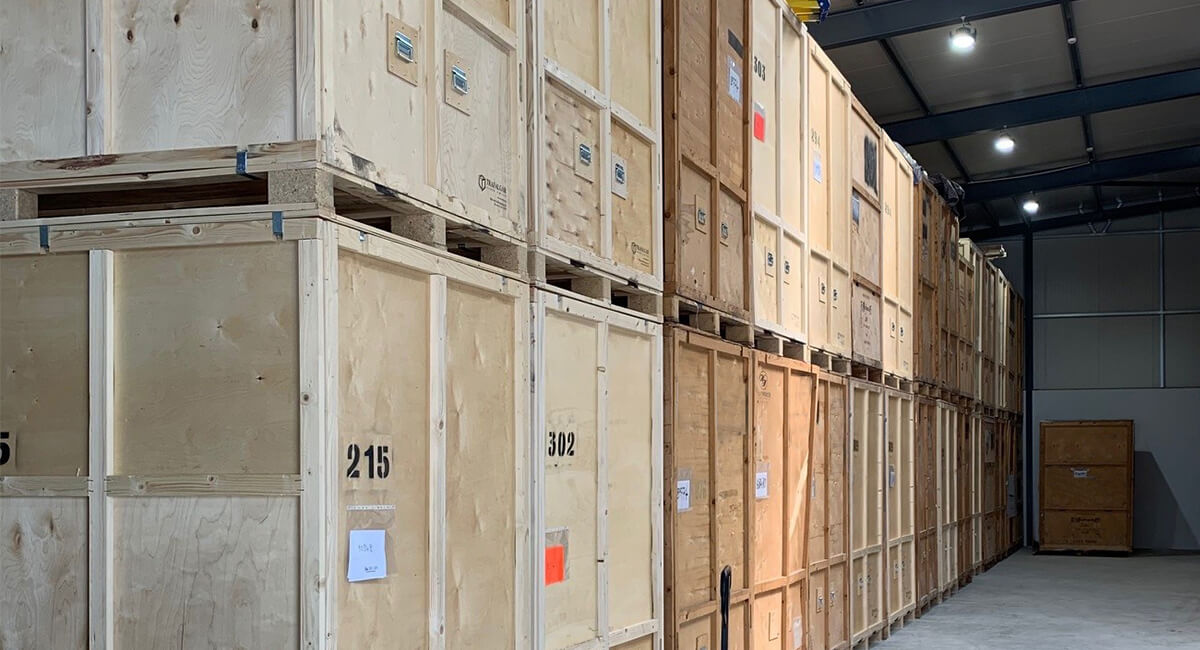
Storage is one of those things people rarely think about when they first start planning a move between Spain and the UK. You picture the packing, the loading, the long drive across Europe — but not the possibility that your belongings might need a temporary home along the way. Then reality sets in: completion dates shift, renovations run late, keys get delayed, or you simply want to move in stages rather than all at once.
The truth is that storage isn’t a backup plan. It’s a tool that gives you breathing room. And when you’re dealing with an international move, that breathing room can make the difference between a smooth transition and a stressful one.
This guide walks you through the real‑world scenarios where storage becomes essential, the types of storage available, and how to choose the option that fits your situation.
Why This Storage Advice Comes From Real Moves, Not Theory
The guidance in this article comes from movers and clients who’ve actually had to juggle storage during Spain–UK relocations — the people who’ve dealt with delayed property completions, renovation overruns, split‑stage moves, and the awkward timing gaps no one plans for but almost everyone encounters. After seeing how often storage becomes the quiet hero of a smooth relocation, removal teams have a clear sense of what works, what causes problems, and which decisions save people stress later on. This isn’t abstract advice; it’s shaped by real timelines, real complications, and the practical solutions families and movers rely on when the plan doesn’t line up perfectly.
Why Storage Matters More in International Moves
A local move is usually a straight line: pack, load, drive, unload.
A Spain–UK move is more like a series of steps that don’t always line up neatly.
You might be waiting for keys, renovating a property, selling before buying, or travelling ahead of your belongings. Some people move in stages. Others simply need time to decide what’s coming with them and what isn’t.
Storage gives you the flexibility to move without rushing decisions or forcing everything into a tight timeline.
If you want a broader look at how the whole moving process works, this article covers it in detail (Complete Guide).
Short‑Term Storage: The Most Common Option
Short‑term storage is ideal when you need a temporary solution — usually a few days to a few weeks. This is the most common scenario for Spain–UK moves because international timelines rarely match up perfectly.
It helps when your move‑in date changes at the last minute, when you’re completing on a property later than expected, or when you’re doing a part‑load move and waiting for the delivery window. It’s also useful if you’re flying ahead of your belongings and need somewhere safe for them in the meantime.
Short‑term storage keeps the move on track without forcing you into a scramble.
Long‑Term Storage: When Life Doesn’t Follow a Straight Line
Long‑term storage is for situations where you need more time — sometimes months, sometimes longer. People use long‑term storage when they’re renovating a property in Spain, returning temporarily to the UK, moving in stages, downsizing, or renting before buying.
It gives you the freedom to settle in at your own pace without living among boxes or rushing decisions about furniture.
If you’re still deciding what to take and what to leave, the furniture guide can help you weigh the pros and cons (Furniture Guide).
Where Storage Happens: UK, Spain, or Both
You can store your belongings in the UK, in Spain, or a combination of the two. The right choice depends on your timeline and the direction of your move.
Storage in the UK works well if you’re leaving before your belongings are ready to travel, or if you’re waiting for a part‑load collection. Storage in Spain is ideal if your property isn’t ready or if you want to move in stages and settle in before bringing everything over.
Some people even split storage — essentials in Spain, long‑term items in the UK — until they decide what to do with them.
If you’re moving with a family, the family‑focused article explains how staged moves can make the transition easier (UK to Spain Removals for Families).
How Storage Affects the Cost of Your Move
Storage adds a layer to the overall cost, but it can also save money by preventing rushed decisions or last‑minute changes. The price depends on volume, duration, location, and access requirements.
If you want a clearer picture of how storage fits into the overall cost, the cost guide breaks it down (Cost of Moving Between Spain and the UK).
Packing for Storage: A Slightly Different Approach
Packing for storage isn’t the same as packing for direct delivery. Items may sit for weeks or months, so they need to be wrapped and boxed with long‑term protection in mind.
Sturdy boxes, proper wrapping, and clear labelling make a big difference. Moisture‑sensitive items need extra care. And avoid overpacking — boxes that sit in storage for a while need to hold their shape.
If you want help with fragile or high‑value items, a part‑packing service is ideal (Part Packing Services). If you want the entire job handled professionally, a full packing service removes the pressure entirely (Full Packing Services).
For a deeper look at packing, the dedicated article walks you through it (Packing Tips).
Customs and Storage: What You Need to Know
Customs and storage interact in a simple way. If your belongings go into storage before entering Spain or the UK, the customs process may shift slightly depending on timing. Your removal company will guide you through this, but accuracy matters — your inventory must match what’s being transported.
If you want a clearer picture of what’s allowed, the customs article explains it in depth (Customs & Restrictions).
When Storage Makes the Move Easier
Storage isn’t just a fallback — it’s a strategy. It helps when you want to decorate or renovate before moving furniture in, when you’re not ready to commit to what stays and what goes, or when you’re coordinating flights, pets, and belongings separately. It also helps during staged moves, where you bring essentials first and the rest later.
People often say that using storage made the move feel calmer, simply because it removed the pressure to do everything at once.
Final Thoughts
Storage is one of the most underrated tools in a Spain–UK move. It gives you flexibility, protects your belongings, and allows you to move at a pace that suits your life rather than forcing everything into a tight schedule. Whether you need a few days or a few months, having the option makes the entire process smoother.
And once you’re settled — whether in Spain or back in the UK — you’ll be glad you gave yourself the breathing room to do it properly.