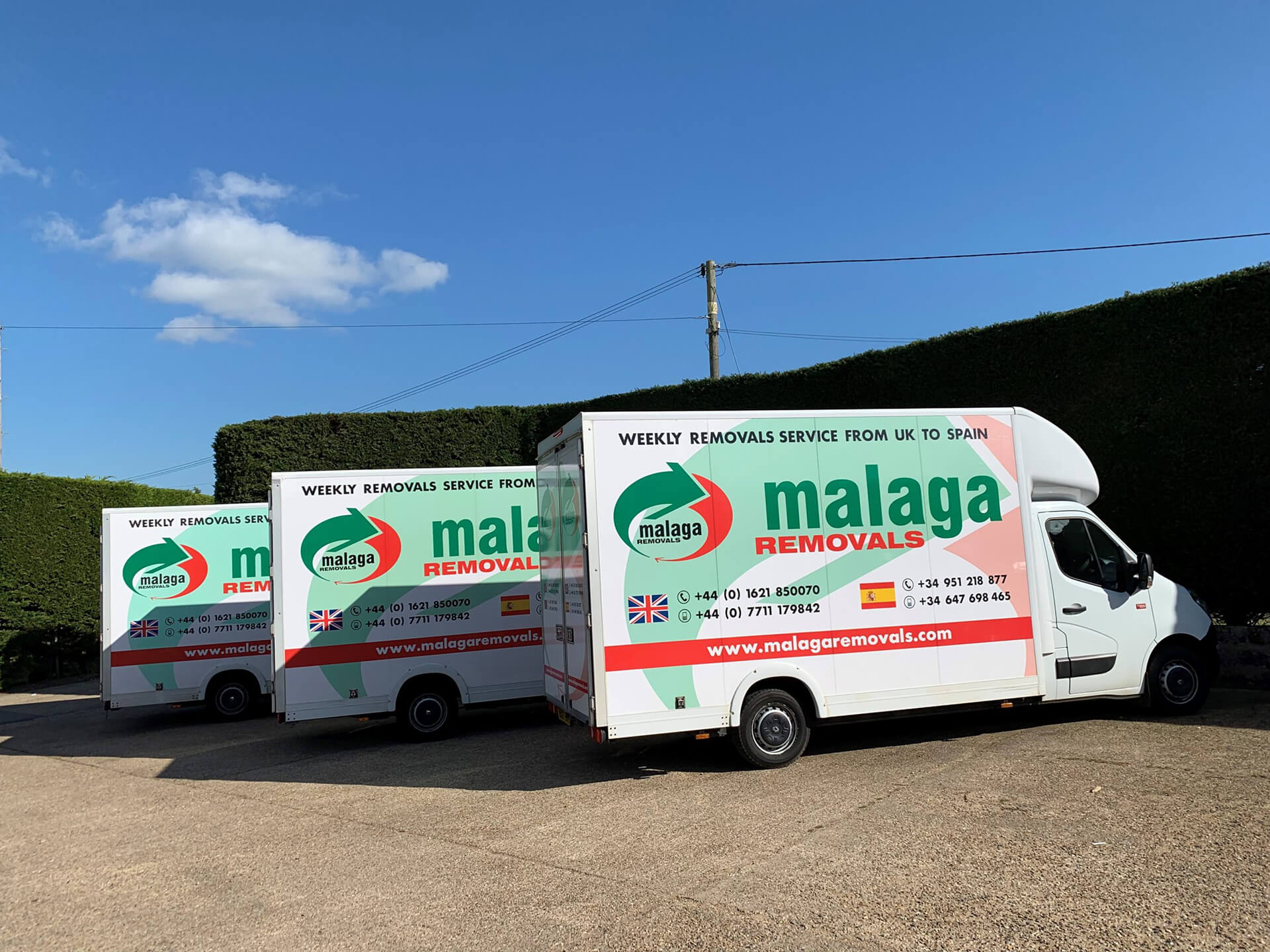
One of the first decisions people face when planning a move between the UK and Spain is whether to book a full load or a part load. It sounds like a technical choice, but it shapes the entire experience — the timing, the cost, the level of flexibility you have, and even how stressful the move feels.
Most people don’t think about this until a removal company asks the question, and by then it can feel like you’re choosing between two things you don’t fully understand. This guide breaks it down in a way that feels human rather than technical, so you can make the decision that fits your situation rather than guessing.
Why This Advice Comes From Real Moves, Not Guesswork
The full‑load vs part‑load decision is one of the questions removal companies hear most often, and the guidance in this article comes directly from teams who run the Spain–UK route week in, week out. They’ve seen how each option plays out in real homes, with real timelines, and with families who all have different priorities. The patterns are clear: some people need the control and speed of a dedicated vehicle, while others save money and stress by choosing a shared load — and the right choice depends far more on your situation than on any generic rule.
This guide reflects the conversations movers have every day with clients who are trying to understand what they’re actually paying for, how delivery windows work, and what happens behind the scenes once their belongings are on the road. It’s built from lived experience, not theory, so you can make a decision with confidence rather than relying on guesswork or assumptions.
What a Full Load Really Means
A full load is exactly what it sounds like: the vehicle is dedicated entirely to you. Your belongings are collected, loaded, and transported directly to your new home without sharing space with anyone else.
People often imagine this as the “premium” option, and in many ways it is — but not in a flashy or unnecessary way. It’s premium in the sense that it gives you control. You choose the dates. You choose the pace. You know exactly when your belongings will arrive.
A full load tends to suit people who want predictability. Families juggling school schedules, pets, or work commitments often prefer the certainty of a fixed timeline. If you’re planning a family relocation, the family‑focused article explores how timing affects the move (UK to Spain Removals for Families).
What a Part Load Actually Involves
A part load is a shared‑space service. Your belongings travel alongside other clients’ items, which allows the removal company to optimise space and reduce costs. It’s a bit like car‑sharing, but for international removals.
This option works well for people who aren’t in a rush or who don’t have a large volume to move. You still get a professional service, but you trade a fixed delivery date for a delivery window. For many people, that’s a perfectly reasonable exchange — especially when it keeps the cost down.
If you want a deeper look at how costs shift depending on your choices, the cost guide breaks it down clearly (Cost of Moving Between Spain and the UK).
How Timing Differs Between the Two Options
This is where the difference becomes most noticeable. With a full load, the timeline is built around you. With a part load, the timeline is built around efficiency.
A full load usually moves faster because the vehicle isn’t stopping for other collections or deliveries. A part load takes longer because the company coordinates multiple clients to keep the price sensible.
Neither option is inherently better — they simply suit different situations. If you want a more detailed look at how timelines work for Spain ↔ UK moves, this article covers it in depth (Article Link).
How Packing Fits Into the Decision
Packing plays a bigger role in this choice than people realise. With a full load, you often have a tighter schedule, which means packing needs to be organised. With a part load, you sometimes have more breathing room.
Either way, you don’t have to do it all yourself. Many people choose a part‑packing service for fragile items (Part Packing Services), while others prefer a full packing service to remove the pressure entirely (Full Packing Services).
The right choice depends on your time, your confidence, and how much you value peace of mind.
Cost Differences: The Honest Version
A full load costs more because you’re paying for exclusivity — the entire vehicle, the direct route, and the flexibility. A part load costs less because the space is shared.
But here’s the part people don’t always realise: a part load isn’t “cheap”; it’s efficient. And a full load isn’t “expensive”; it’s dedicated. The real question is whether you value speed and control more than flexibility and savings.
If you’re unsure how these choices affect the final price, the cost article gives a clear breakdown (Cost Guide).
Which Option Works Best for Spain → UK Moves?
Spain → UK moves often involve more uncertainty — property completion dates, flights, school schedules, and the emotional side of returning home. Because of that, many people choose part loads for the flexibility, especially if they’re not in a rush.
If you’re planning a Spain → UK move, the dedicated article walks you through the process (Spain to UK Removals).
Which Option Works Best for UK → Spain Moves?
UK → Spain moves tend to be more structured. People often have a clear move‑in date, especially if they’re relocating for work or moving into a property they’ve already secured. Full loads are popular here because they offer predictability.
If you’re moving with a family, the family‑focused article explains how timing affects the transition (UK to Spain Removals for Families).
Storage: The Wild Card That Changes Everything
Storage can influence your choice more than you expect. If your Spanish property isn’t ready, or you’re renovating, or you’re moving in stages, storage becomes part of the plan.
You can store items in the UK, in Spain, or both. The cost and timing depend on volume and duration.
For a closer look at how storage fits into the moving process, the storage article goes into more detail (Storage Options).
Final Thoughts
Choosing between a full load and a part load isn’t about picking the “best” option — it’s about choosing the one that fits your situation. If you want speed, control, and fixed dates, a full load makes sense. If you want flexibility and a more cost‑effective approach, a part load is the smarter choice.